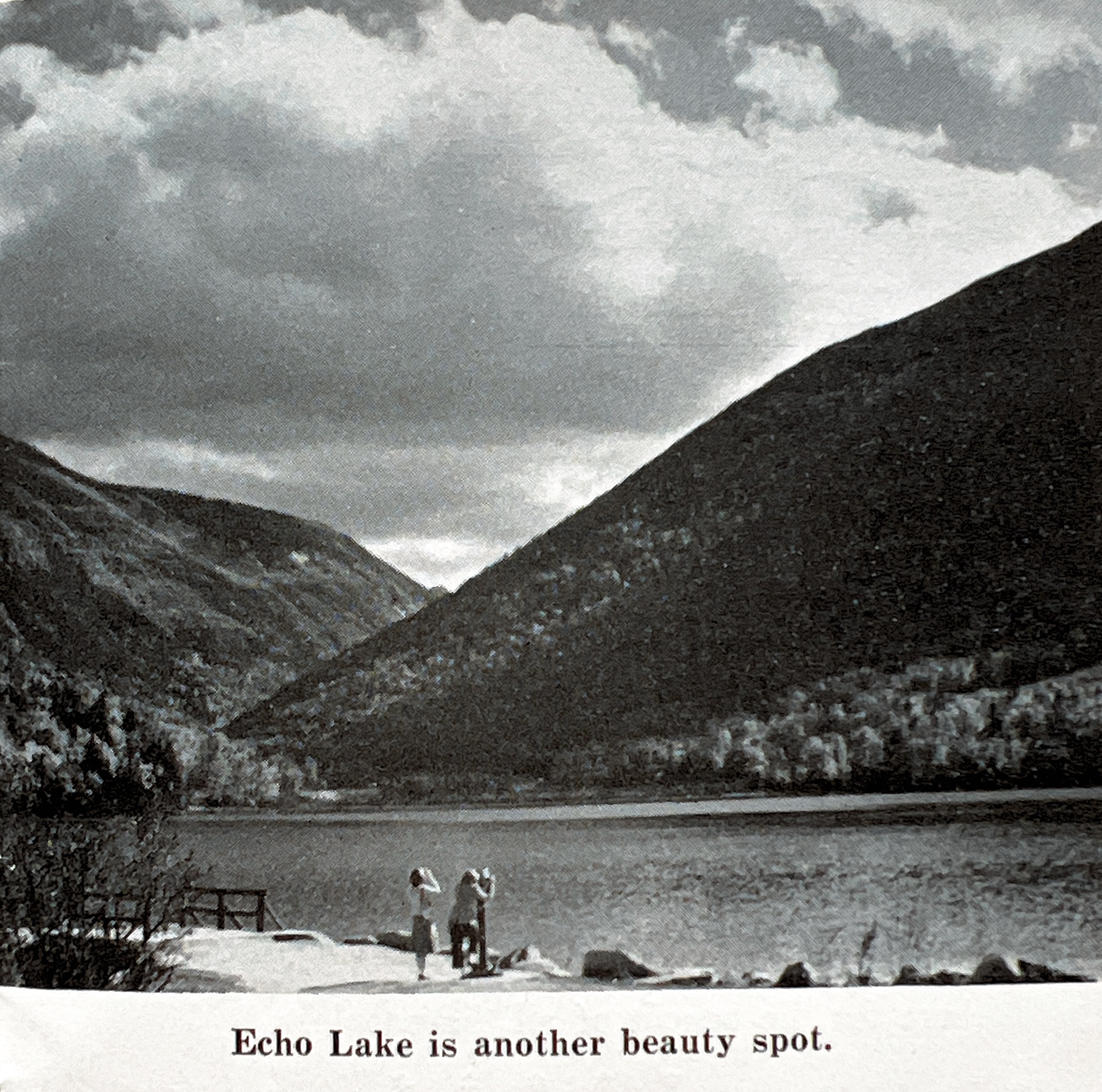
Published in 1949, Franconia Notch Reservation—White Mountains, New Hampshire, invites readers on a lively tour through one of New Hampshire’s most celebrated landscapes. Written in the conversational style of a letter to a friend, the letter-booklet recounts a visit to Franconia Notch’s iconic attractions, including the Cannon Mountain Aerial Tramway, the Old Man of the Mountain, Echo Lake, Profile Lake, and the Flume Gorge. Along the way, readers encounter colorful local stories—from Aunt Jess Guernsey’s discovery of the Flume to firsthand accounts of the devastating 1948 landslide on Mount Lafayette. Equal parts travel guide, promotional piece, and snapshot of postwar tourism in the White Mountains, it captures a time when Franconia Notch was emerging as one of New England’s premier destinations for sightseeing, recreation, and outdoor adventure.
May 31, 2026
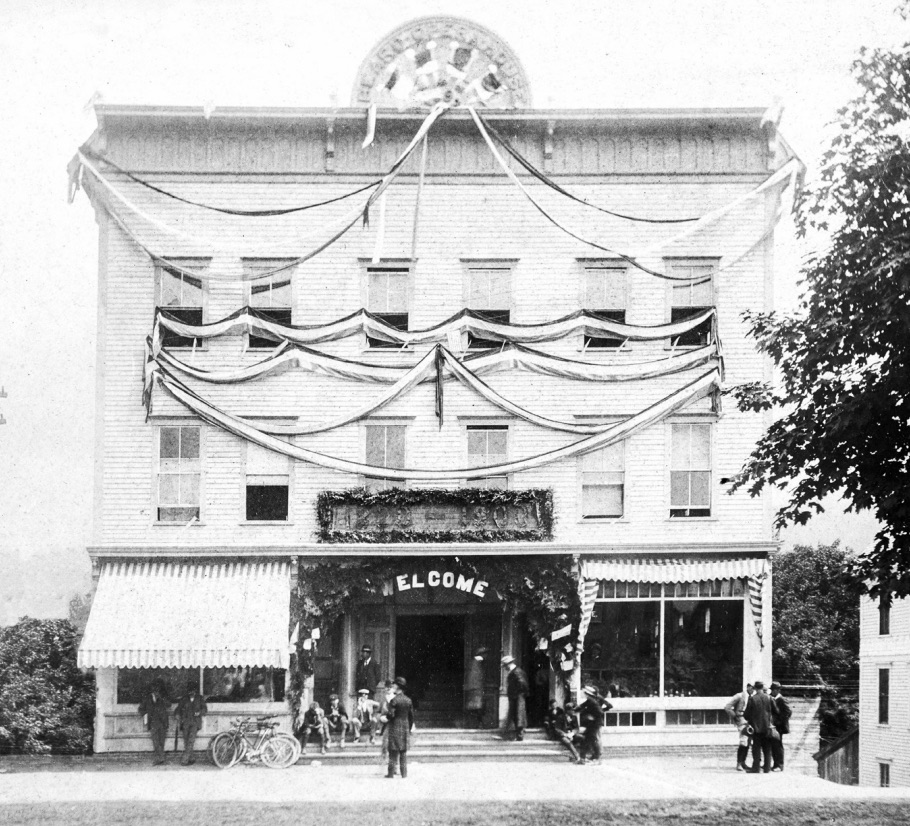
In May of 1897, Justus Conrad reflected on the excitement surrounding the newly built Beard Opera House on Main Street in North Woodstock. His article captures a moment of civic pride, optimism, and wonderment, celebrating the transformation of a local enterprise into what he called “one of the best, if not the best, public halls” in rural New Hampshire. More than a simple building report, Conrad’s writing reveals a strong sense of shared identity across Woodstock, urging residents to set aside “sectional feelings” and embrace improvements anywhere in town as benefits to all. He goes on to describe the Opera House in vivid detail—from its grand stage and balcony to its storefront tenants and basement businesses—and closes with a lively account of the building’s formal dedication, a masquerade ball filled with music, costumes, and community spirit.
May 29, 2026
In August 1925, former Johnson Lumber Company General Manager James McGraw recorded his firsthand recollections of the Bog Pond Tract in Lincoln, documenting nearly a decade of logging operations, timber sales, and industrial expansion within the Upper Pemigewasset region wilderness. His account traces the rise of the Johnson Lumber Company, the transfer of the tract to the Matson Manufacturing Company, and the transformation of the remote forest into one of the region’s ambitious early twentieth-century lumber enterprises.
May 27, 2026
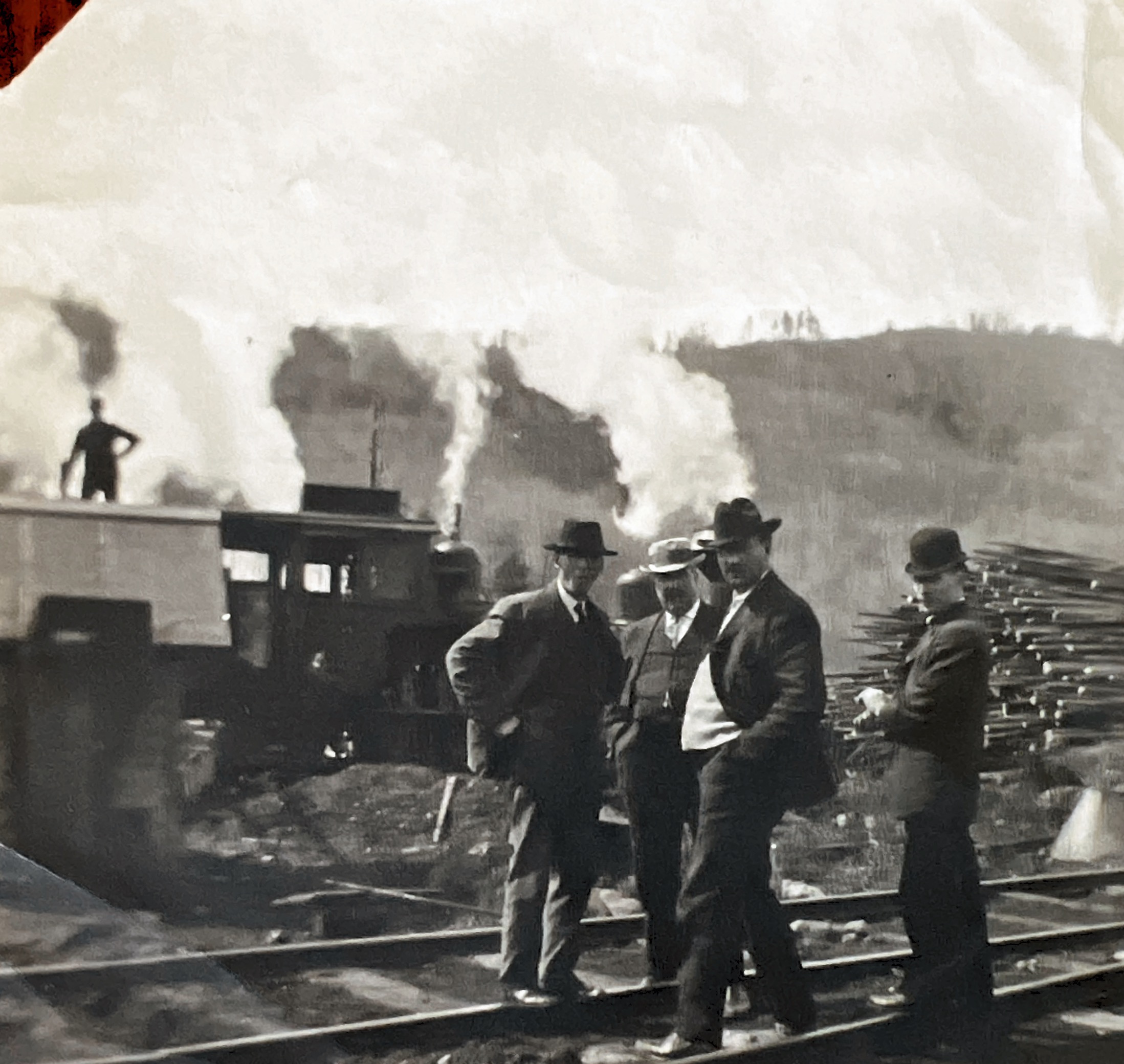
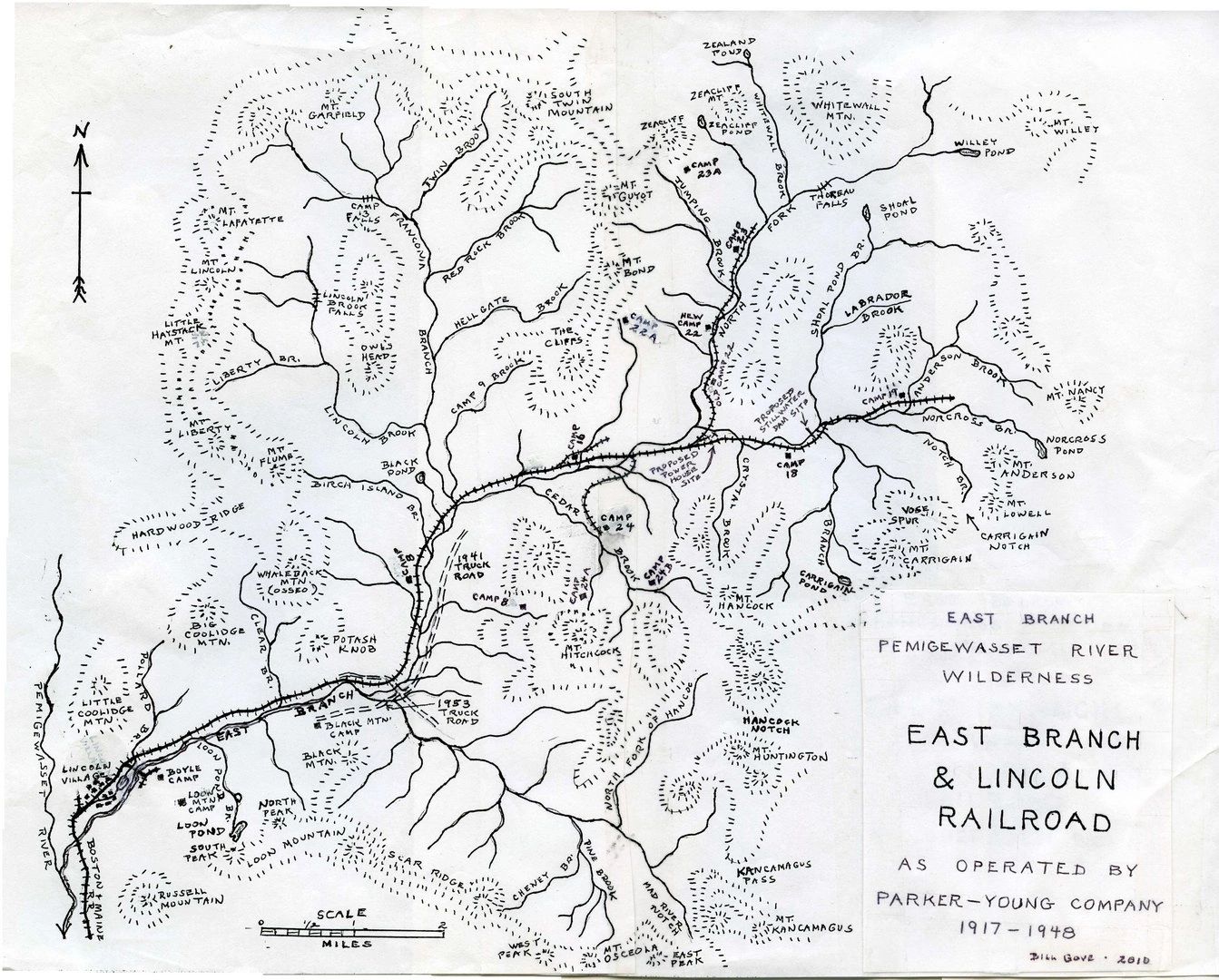
In a letter dated December 1928, Harold describes his winter journey into Franconia Notch and the Pemigewasset Wilderness, where he finds work with the Parker-Young Company on the East Branch logging railroad. From ski trails and chance rides to life in a remote lumber camp beneath Mt. Bond, he offers a vivid and often humorous glimpse into daily life in the woods—complete with rough bunkhouses, booming cookshacks, and the rugged rhythms of logging operations deep in the White Mountains.
May 3, 2026
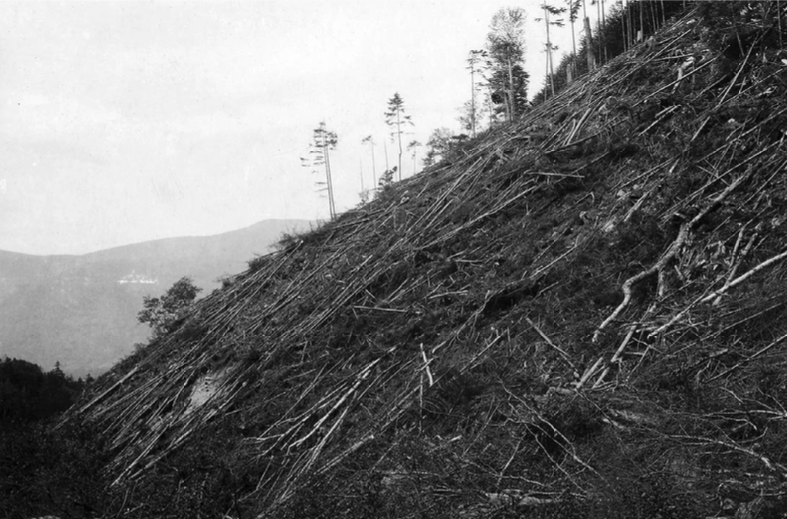
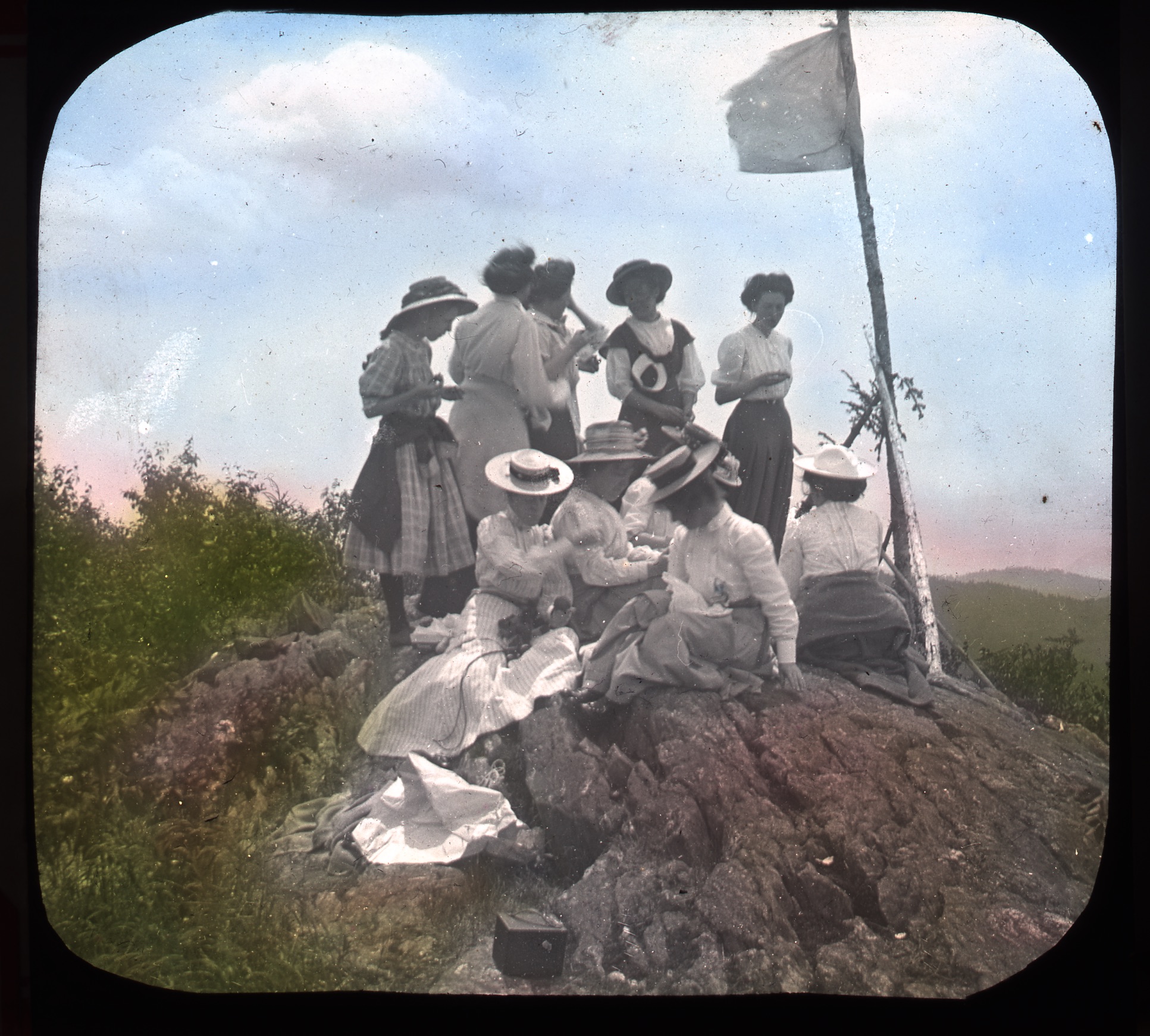
In this lively 1880 account from Appalachia, Mrs. Lucia D. Pychowska recounts an adventurous excursion by a small party—five women and their guide—to the remote lakes and rocky summits of Loon Pond Mountain in the Pemigewasset Valley. Battling swollen rivers, indistinct trails, and rough, burn-scarred terrain, the group presses on with determination, rewarded by crystalline mountain ponds, alpine flora, and sweeping views of Cannon, Lafayette, Liberty, and Flume rising beyond the East Branch. Blending careful natural observation with understated humor and grit, Pychowska’s narrative offers a vivid glimpse into early recreational exploration in the White Mountains—and into the often-overlooked role of women in nineteenth-century mountain travel.
February 18, 2026
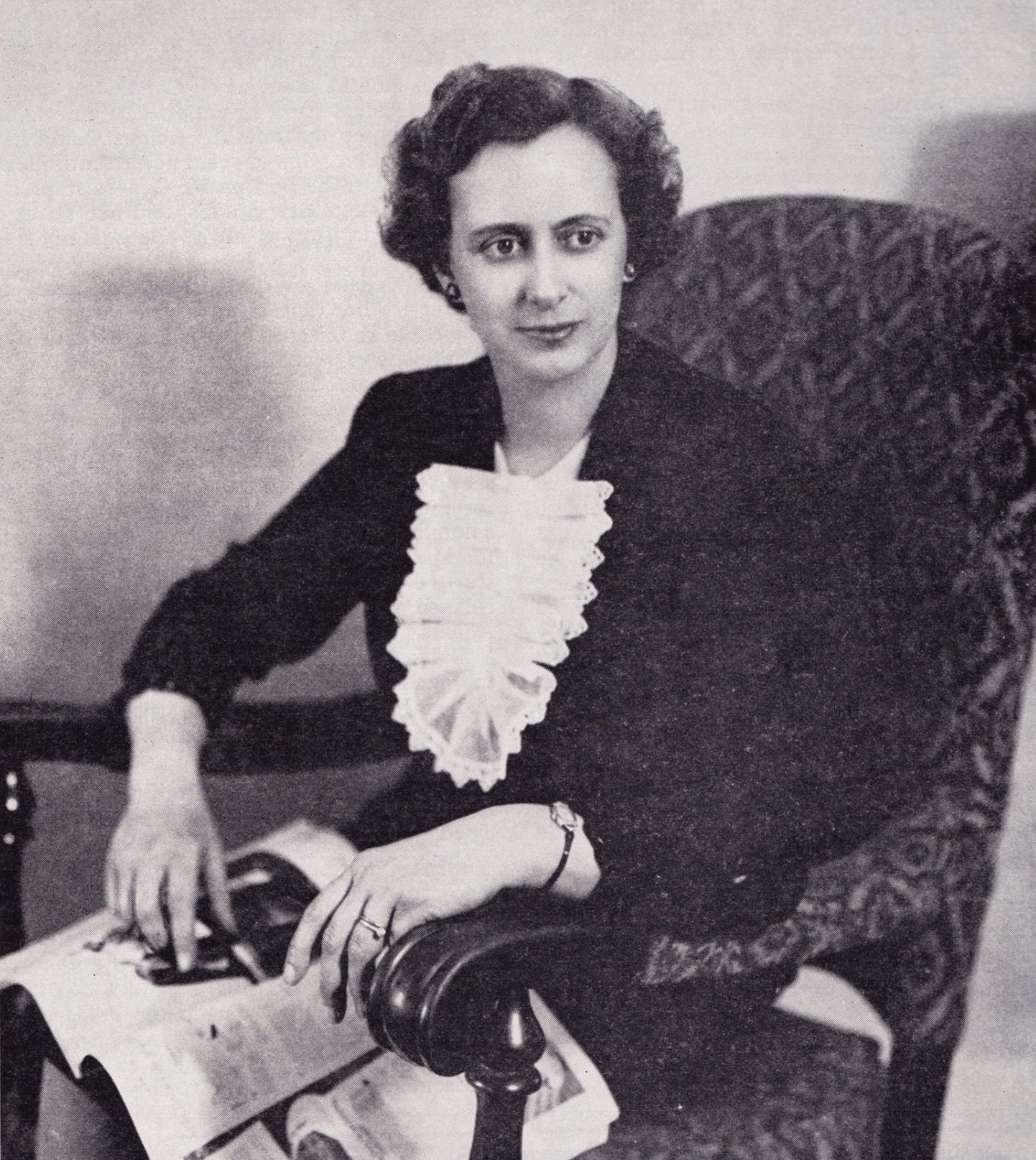
Written at the height of Sherman Adams’s rise onto the national stage, Ralph “Deak” Morse’s affectionate profile of Rachel Adams—dubbed “The Pebble”—offers a lively and revealing portrait of a woman who remained unmistakably herself amid political prominence. With warmth, wit, and a keen eye for character, the article celebrates Rachel Adams’s humor, independence, and deep attachment to New Hampshire life, from Lincoln to Concord and beyond. More than a political spouse, she emerges as a steady, quick-witted presence whose love of the mountains, local traditions, and everyday people grounded one of the Granite State’s most influential families during a pivotal moment in American history.
February 14, 2026
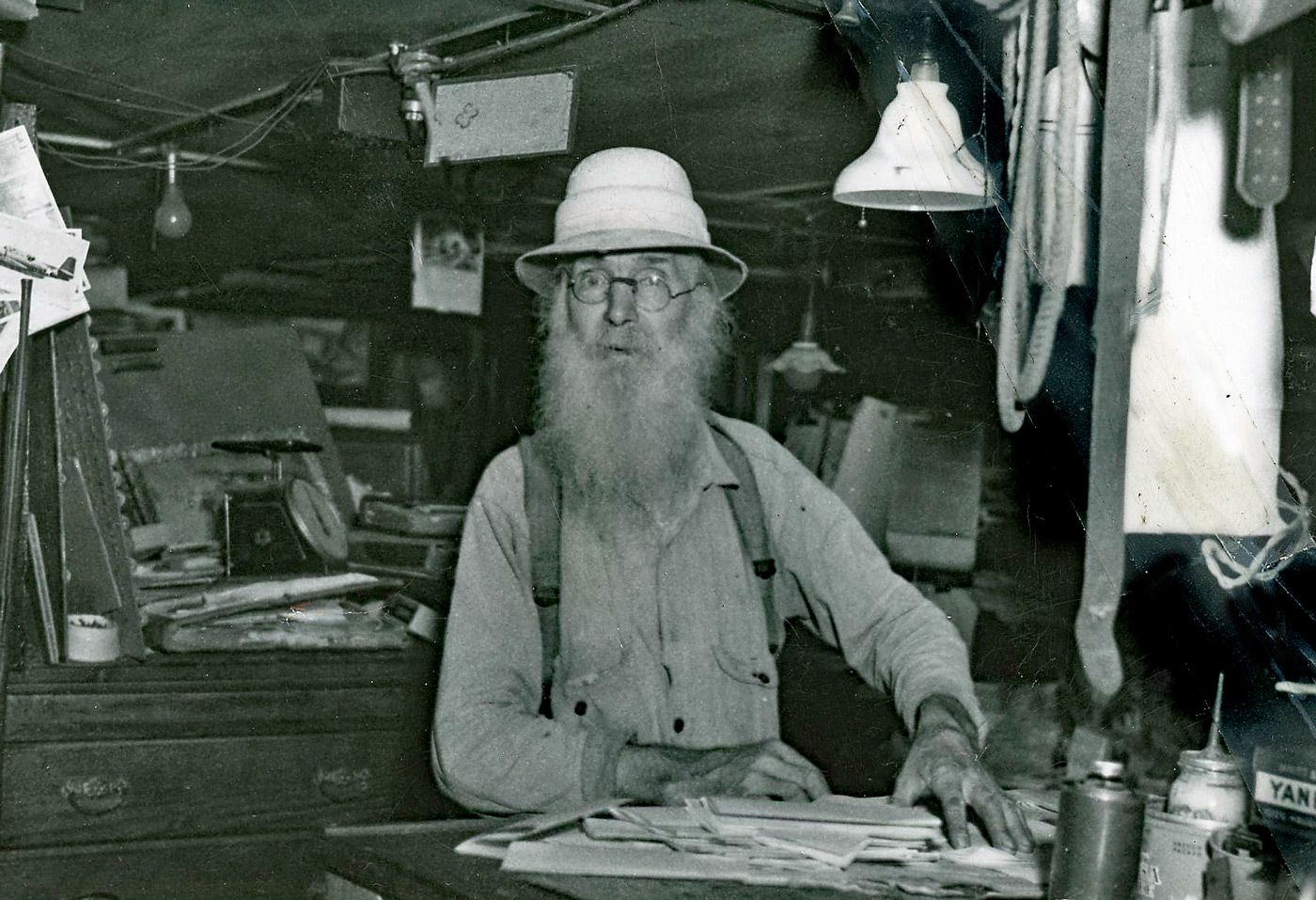
Who was Shiff the Gunman—myth, merchant, or something in between? This article explores the life of Carroll Barrows Shiffer, known nationwide as “Shiff the Gunman,” a solitary, reclusive New Hampshire firearms dealer who carefully blurred the line between fact and legend and whose North Woodstock, New Hampshire, cabin became a destination for collectors across the country. Through letters, objects, and reputation, Shiffer built an authority that outlived him, reminding us that history is shaped not only by what is true, but by what endures, leaving behind a legacy that still surfaces in auctions and archives today.
January 26, 2026
In October 1981, The Christian Science Monitor explored a heated controversy brewing over the skies above the White Mountains, where two Air National Guard units proposed a Military Operating Area (MOA) for high-speed, low-altitude training flights—a plan that struck deep into the region’s identity as a place of quiet recreation and scenic beauty. What thrilled pilots as valuable preparation for possible combat scenarios alarmed hikers, campers, and local residents, who argued that sudden, engine-throbbing fighter sorties—sometimes as low as 100 feet above ground—could disrupt the natural experience and even threaten wildlife habitats. With voices from community advocates and public officials opposing the proposal and urging the Air Force to consider alternatives, the story captures a moment when local quality of life, tourism, and environmental stewardship clashed with military training needs over one of New Hampshire’s most cherished landscapes.
January 23, 2026