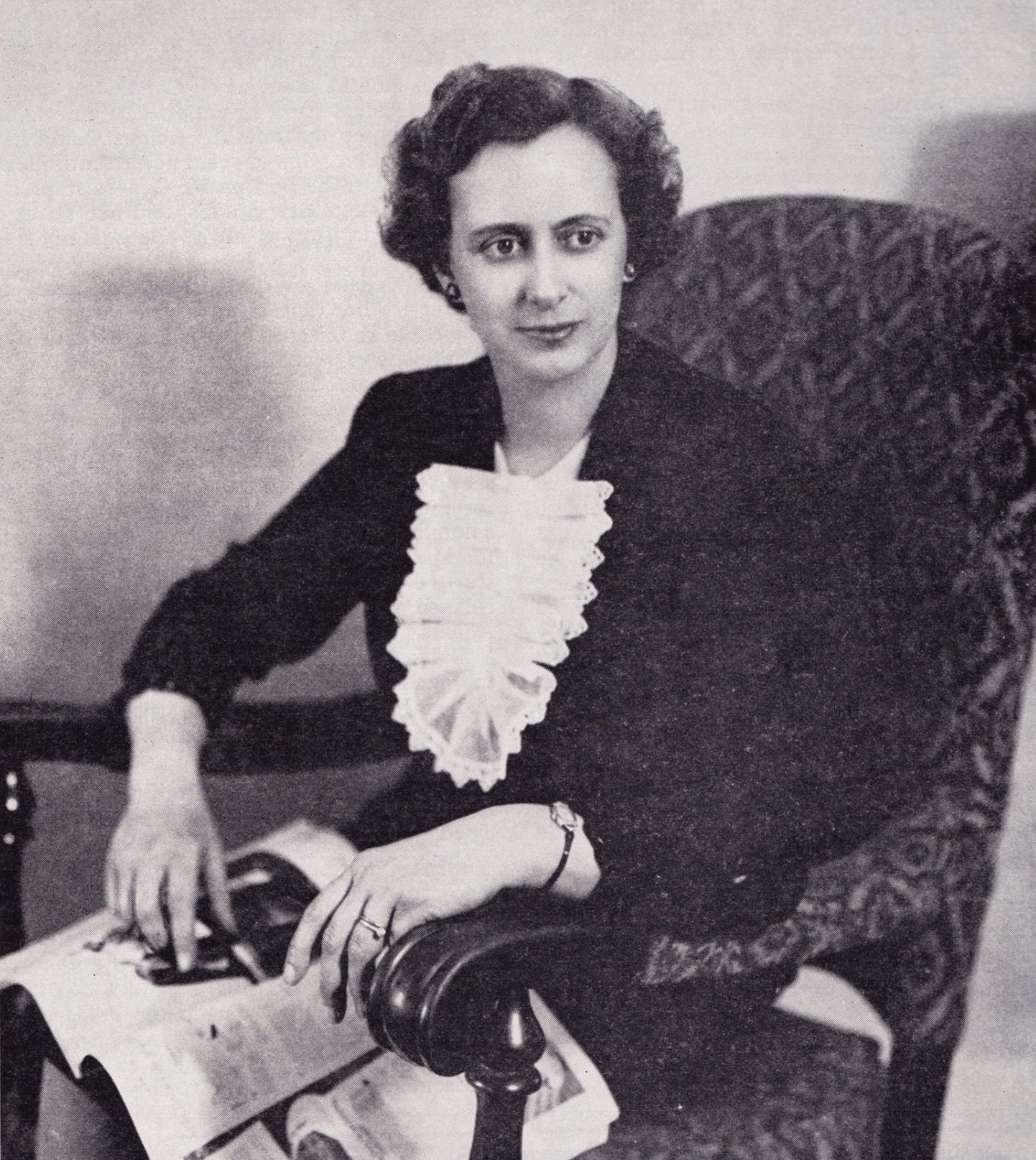
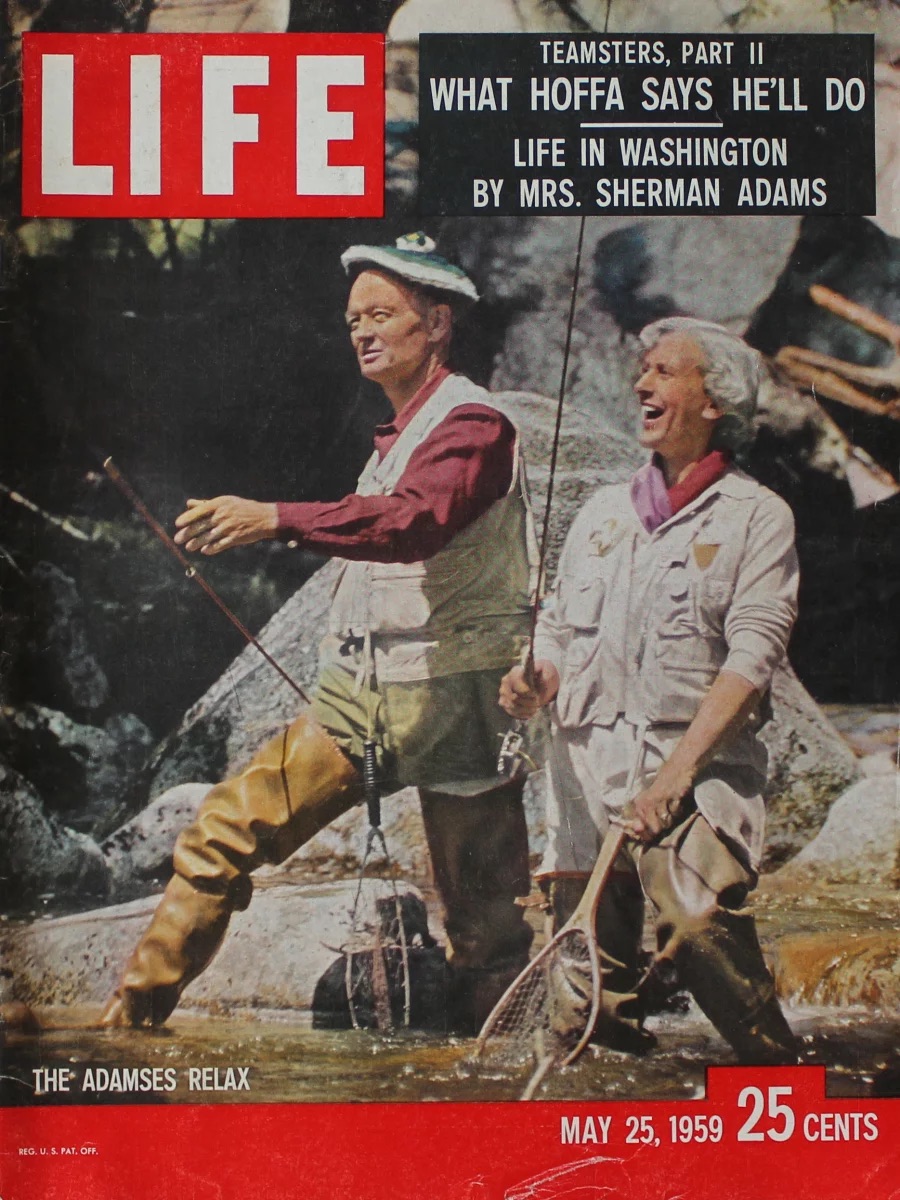
Written at the height of Sherman Adams’s rise onto the national stage, Ralph “Deak” Morse’s affectionate profile of Rachel Adams—dubbed “The Pebble”—offers a lively and revealing portrait of a woman who remained unmistakably herself amid political prominence. With warmth, wit, and a keen eye for character, the article celebrates Rachel Adams’s humor, independence, and deep attachment to New Hampshire life, from Lincoln to Concord and beyond. More than a political spouse, she emerges as a steady, quick-witted presence whose love of the mountains, local traditions, and everyday people grounded one of the Granite State’s most influential families during a pivotal moment in American history.
February 14, 2026
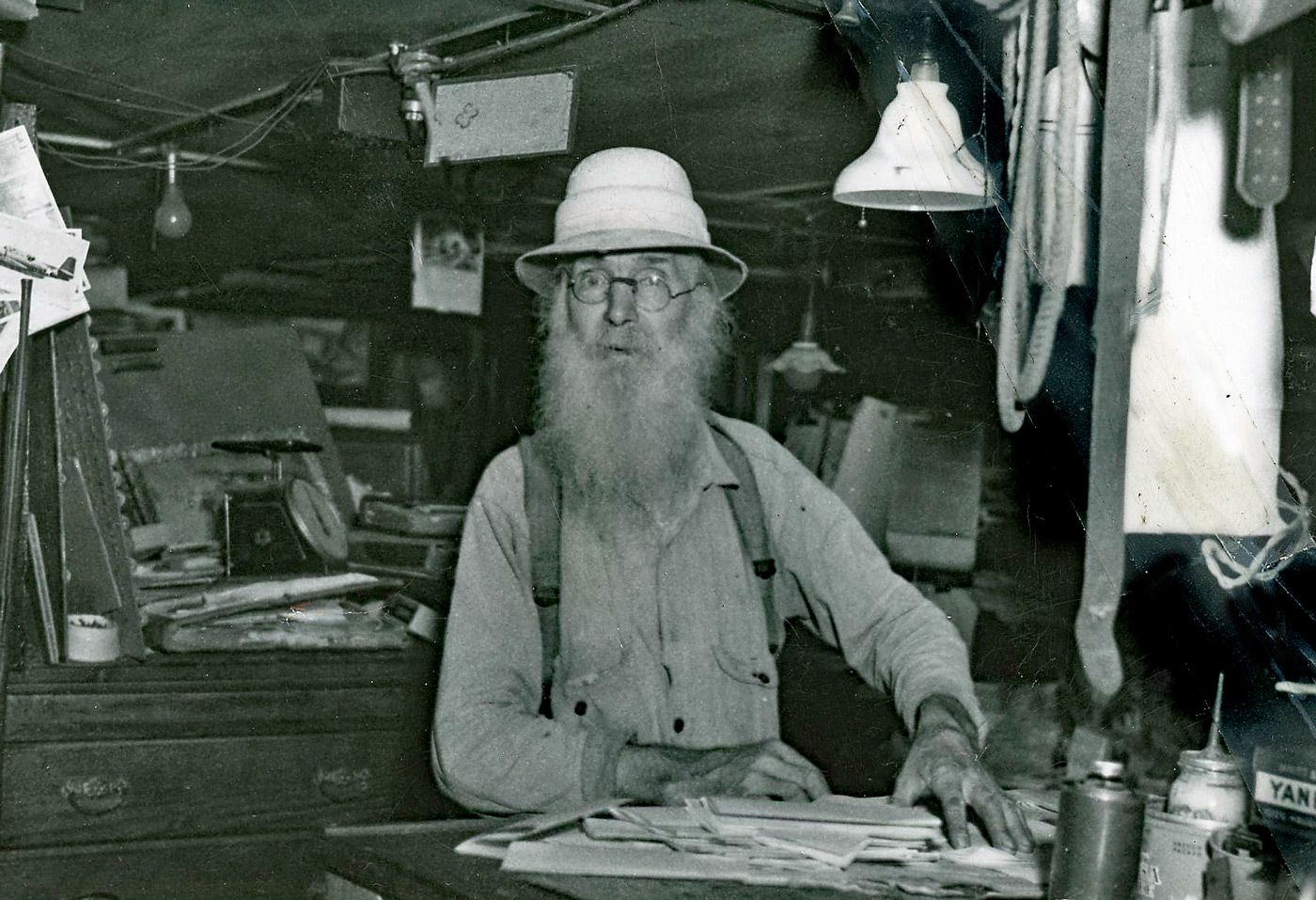
Who was Shiff the Gunman—myth, merchant, or something in between? This article explores the life of Carroll Barrows Shiffer, known nationwide as “Shiff the Gunman,” a solitary, reclusive New Hampshire firearms dealer who carefully blurred the line between fact and legend and whose North Woodstock, New Hampshire, cabin became a destination for collectors across the country. Through letters, objects, and reputation, Shiffer built an authority that outlived him, reminding us that history is shaped not only by what is true, but by what endures, leaving behind a legacy that still surfaces in auctions and archives today.
January 26, 2026
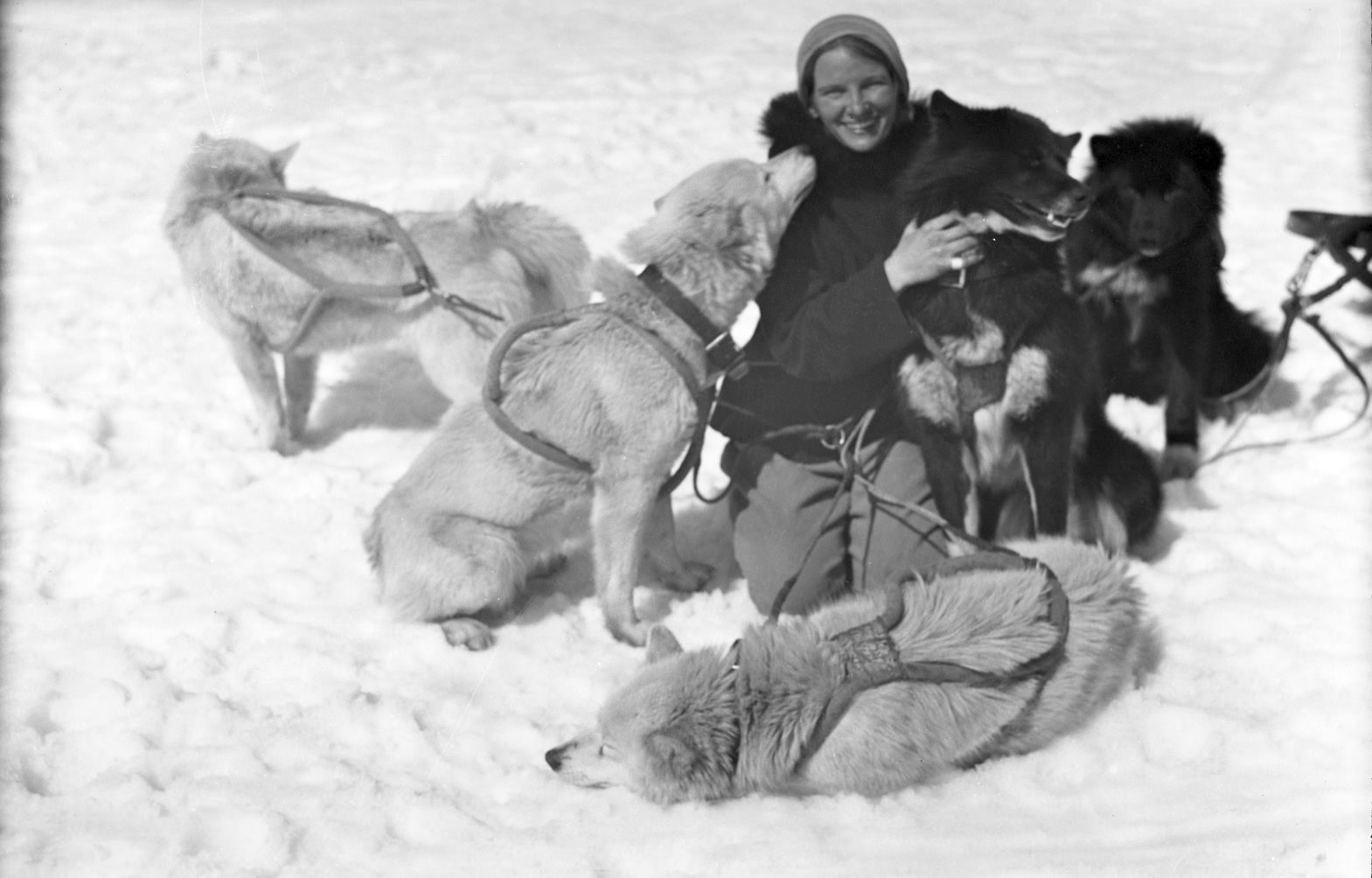
This gripping article recounts two of the most daring dog-sled ascents ever attempted on Mount Washington, beginning with Arthur T. Walden and the legendary lead dog Chinook’s perilous climb in 1926, and culminating in Florence Murray Clark’s extraordinary solo ascent in 1932. Set against hurricane-force winds, sheer ice slopes, and life-or-death decisions, the story captures both the physical danger of winter travel on New England’s highest peak and the remarkable resolve of those who dared to challenge it—especially Clark, who became the first woman to drive a dog team to the summit without assistance. Together, these intertwined accounts illuminate a little-known chapter of White Mountains history where endurance, courage, and human–animal partnership were tested at the very edge of possibility.
January 22, 2026
In her 1959 LIFE magazine article “Life in Washington,” Rachel Adams—wife of Lincoln native and former New Hampshire governor Sherman Adams—offered a rare, personal glimpse into the rhythms of political life from the perspective of a woman who carried the White Mountains with her into the nation’s capital. Writing at the height of her husband’s influence in the Eisenhower administration, she wove reflections on Washington’s social landscape with the steady values of her New England upbringing, shaped by the mill town of Lincoln and the rugged quiet of the Upper Pemigewasset Valley. Her piece is more than a Washington diary; it is a reminder that our region’s stories travel—sometimes all the way to the White House—carried by the people who call this place home.
December 31, 2025
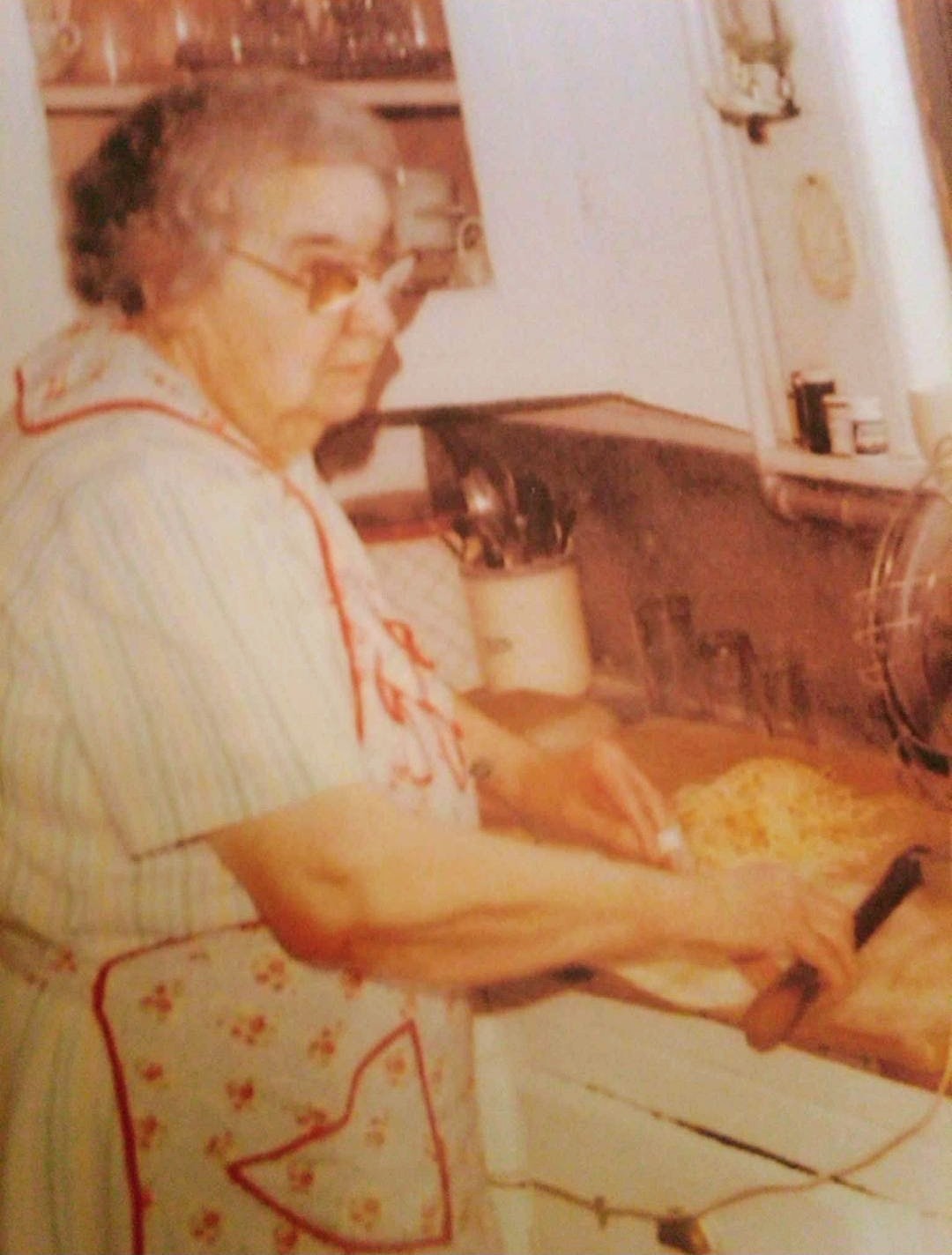
For more than seven decades, Malvina Govoni Frank fed a valley, one bowl of spaghetti at a time. Beginning at the age of thirteen, working beside her mother, Clementina, in a North Woodstock kitchen, Malvina learned a craft that would become both her livelihood and legacy. What started as homemade spaghetti delivered by horse and wagon to mill girls and neighbors grew into a beloved family restaurant that served thousands each summer, drawing locals, hotel guests, and even governors to its tables. Through hard work, long nights, and generations of change, the family stitched Old World traditions into daily life, proving that food can be both sustenance and story — and that a simple recipe, faithfully kept, can bind a community together for nearly a century.
December 22, 2025
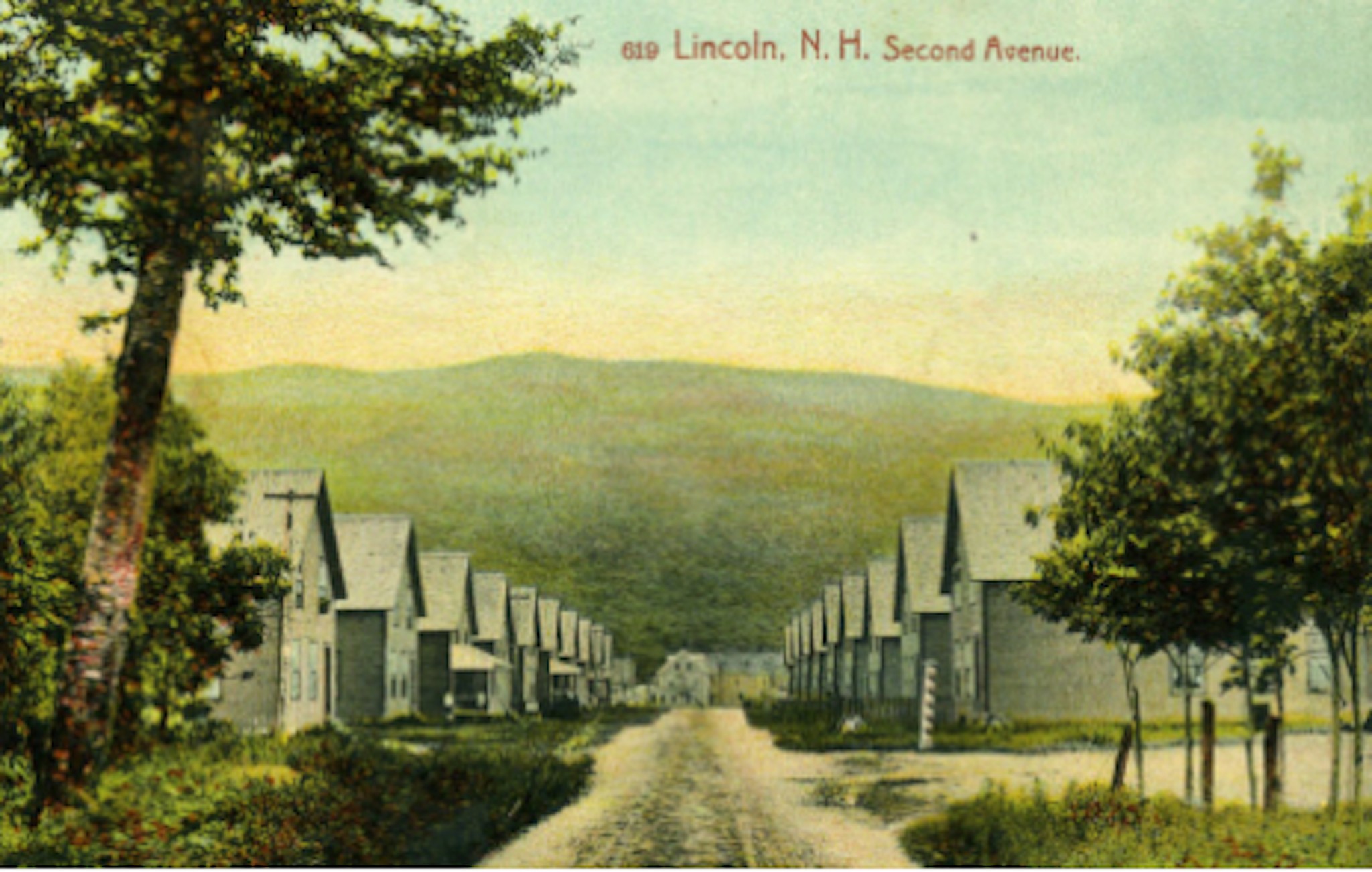
Arriving in Lincoln in 1920 by chance and staying by choice, Oran Wilfred Hudson became far more than the town barber—he became part of its daily rhythm. Trained in Boston and known for his skill with everything from Feather Cuts to Flattops, Oran cut hair for mill workers, ministers, summer visitors, and future political figures, all while presiding over a shop that doubled as Lincoln’s unofficial town hall. With prices measured in cents and stories traded freely, his chair was a place where paper was “made” as fast as at the mill, where no comic books were allowed, and where neighbors gathered to talk life, work, and the town they shared. “English Feathers, Please, No Clippers!” captures a vanished era of small-town craftsmanship, personality, and community—seen through the eyes of a man who liked people and never forgot their stories.
December 15, 2025
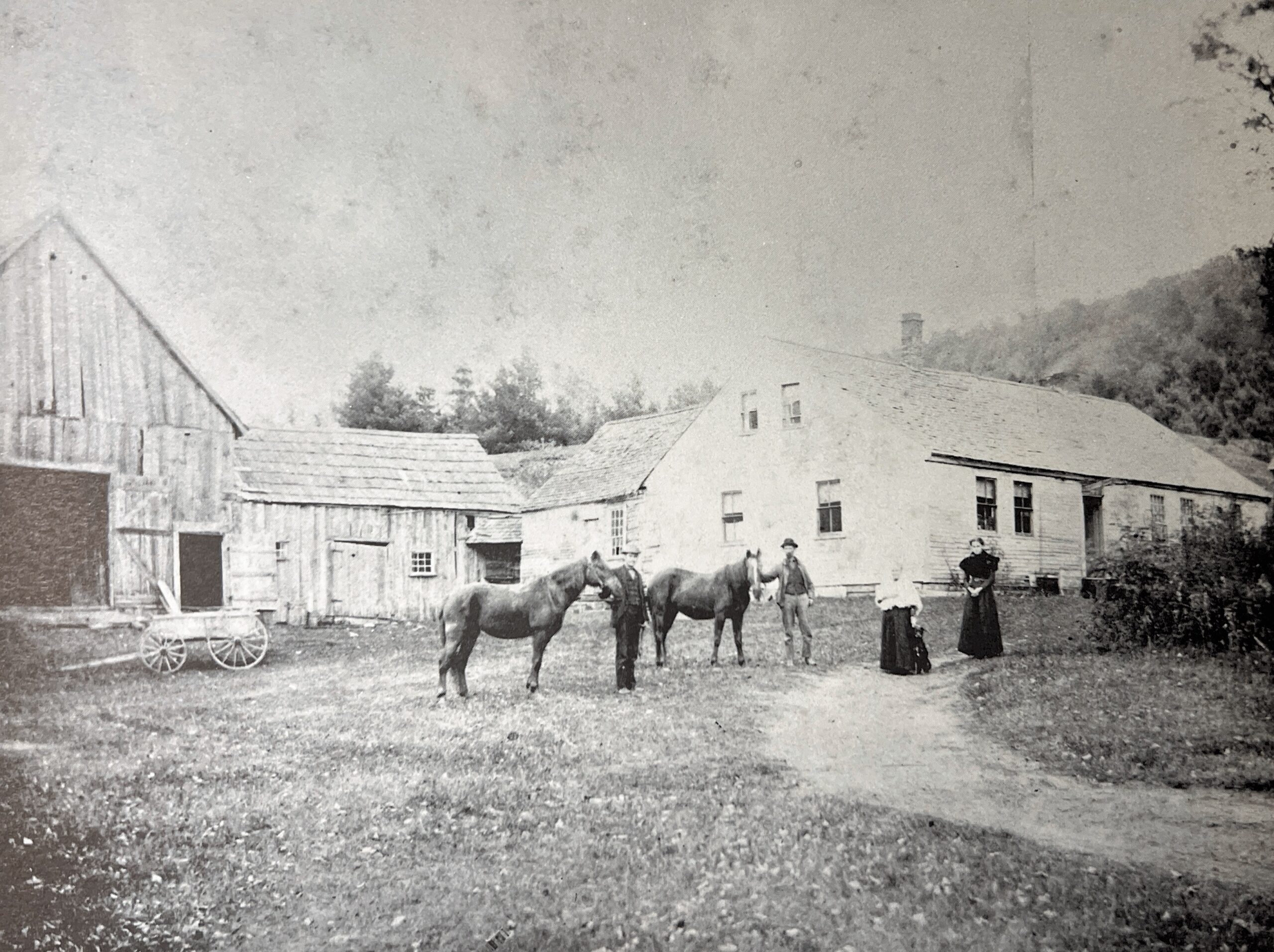
Stepping through the front door of Priscilla Cox’s home in Woodstock was like crossing a threshold into two centuries of Upper Pemigewasset Valley history. Built circa 1800 and expanded over generations, the house first sheltered Thomas and Margaret Pinkham when they arrived in 1806, later becoming the Russell family’s farm—complete with flax fields, a sawmill, and ironwork forged in Franconia. It even served as a station on the Underground Railroad, with a hidden space beneath the attic floorboards where freedom seekers found refuge. The Burney and Cox families followed, each adding new stories: marriages linking Quebec to Woodstock, a son lost at the Battle of the Bulge, summers filled with cousins and farm chores, and a cast of unforgettable hired hands whose tales Priscilla treasured. Except for a brief wartime relocation, Priscilla lived her entire life within those walls.
December 10, 2025
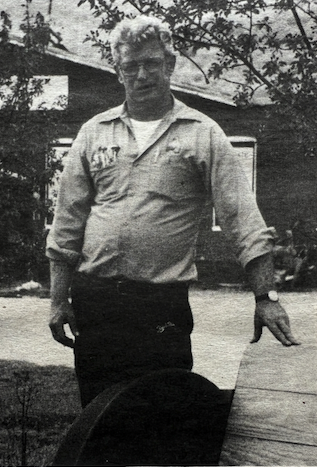
In the Summer ’88 issue of North Country Times, “Roger Harrington Personifies Lincoln’s Blending of Old and New” captures the remarkable transformation of Lincoln’s mill complex into the Millfront Marketplace—and the unique role of Roger Harrington in preserving its past. As Lincoln Mill Associates redeveloped the dormant paper mills into shops, arts spaces, and community amenities, Harrington—born and raised in Lincoln and a mill worker since 1957—became the bridge between eras. His deep knowledge of the mill’s equipment, traditions, and culture guided the repurposing of historic tools, machinery, and even railroad artifacts into functional and decorative features throughout the Marketplace. The article paints Harrington not only as a longtime steward of the old Franconia Paper Company, but also as the living historian ensuring that Lincoln’s industrial heritage remains visible and meaningful amid the town’s modern revitalization.
December 3, 2025
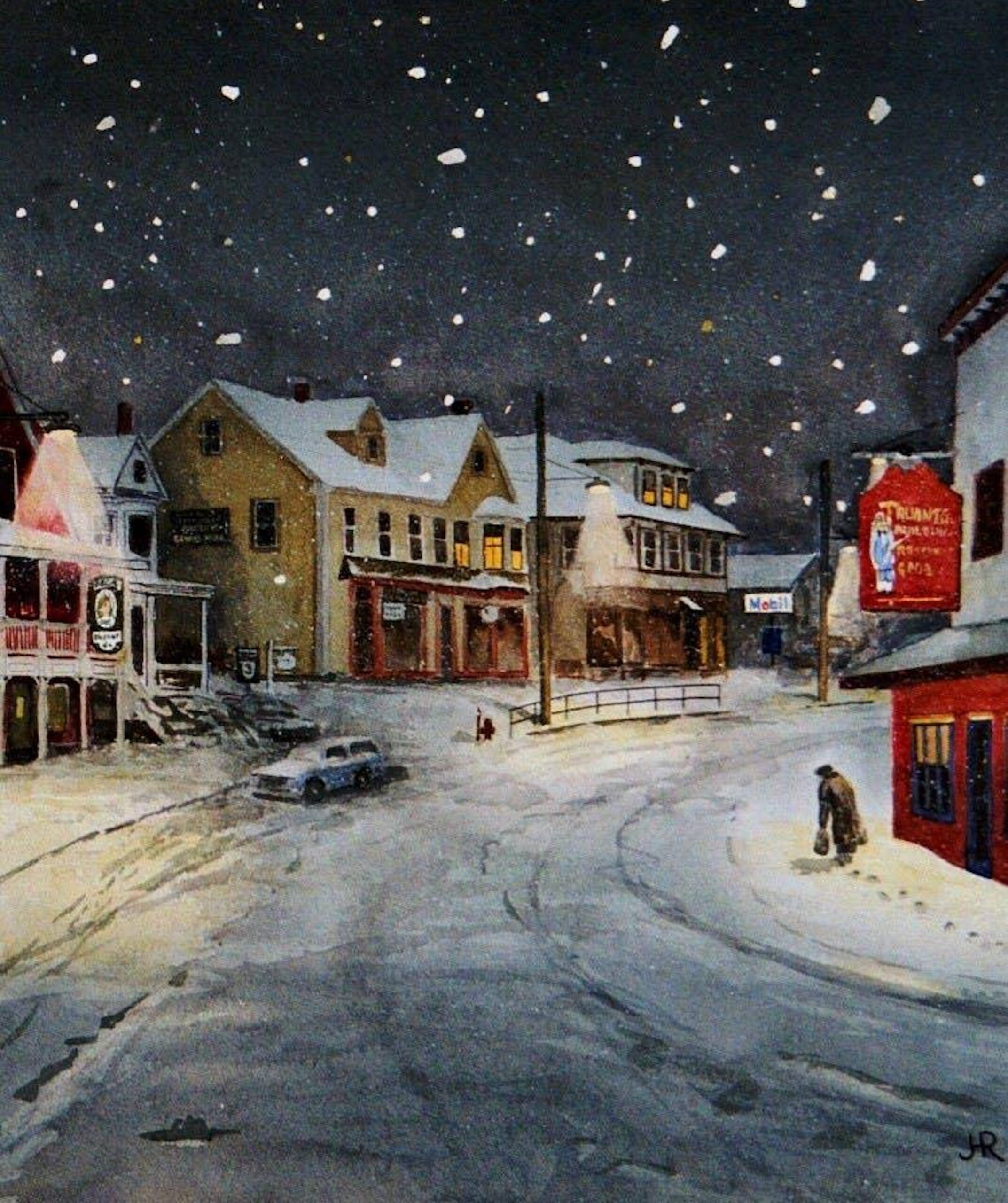
Explore the story behind “Anna’s Quest,” the beloved Jack Richardson painting honoring North Woodstock resident and local historian Anna Marie Molloy. Learn about Anna’s life, her writings—including her community reporting for the Plymouth Record—and her enduring legacy through the Anna Molloy Memorial Fund and the Soldier’s Park memorial bench. A tribute to one woman’s role in preserving the history and heartbeat of Woodstock, New Hampshire.
November 25, 2025