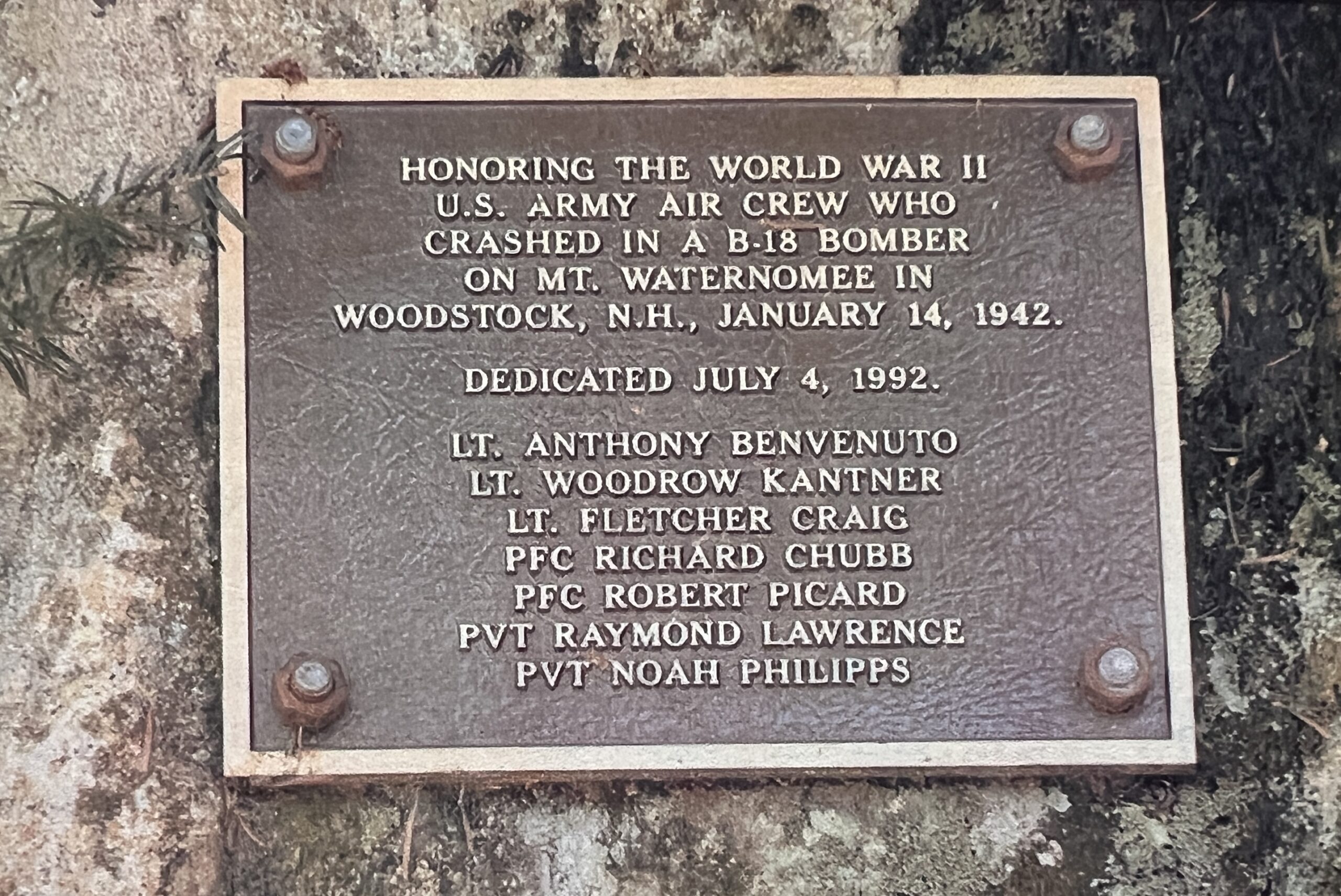
On January 14, 1942, just weeks after Pearl Harbor, a U.S. Army bomber vanished into the White Mountains of New Hampshire. This is the story of the flight, the crash on Mount Waternomee, and the community that climbed into the dark to bring seven men home—five surviving, two passed on—marking the moment when a distant war became painfully close.
January 14, 2026
For more than seven decades, Malvina Govoni Frank fed a valley, one bowl of spaghetti at a time. Beginning at the age of thirteen, working beside her mother, Clementina, in a North Woodstock kitchen, Malvina learned a craft that would become both her livelihood and legacy. What started as homemade spaghetti delivered by horse and wagon to mill girls and neighbors grew into a beloved family restaurant that served thousands each summer, drawing locals, hotel guests, and even governors to its tables. Through hard work, long nights, and generations of change, the family stitched Old World traditions into daily life, proving that food can be both sustenance and story — and that a simple recipe, faithfully kept, can bind a community together for nearly a century.
December 22, 2025

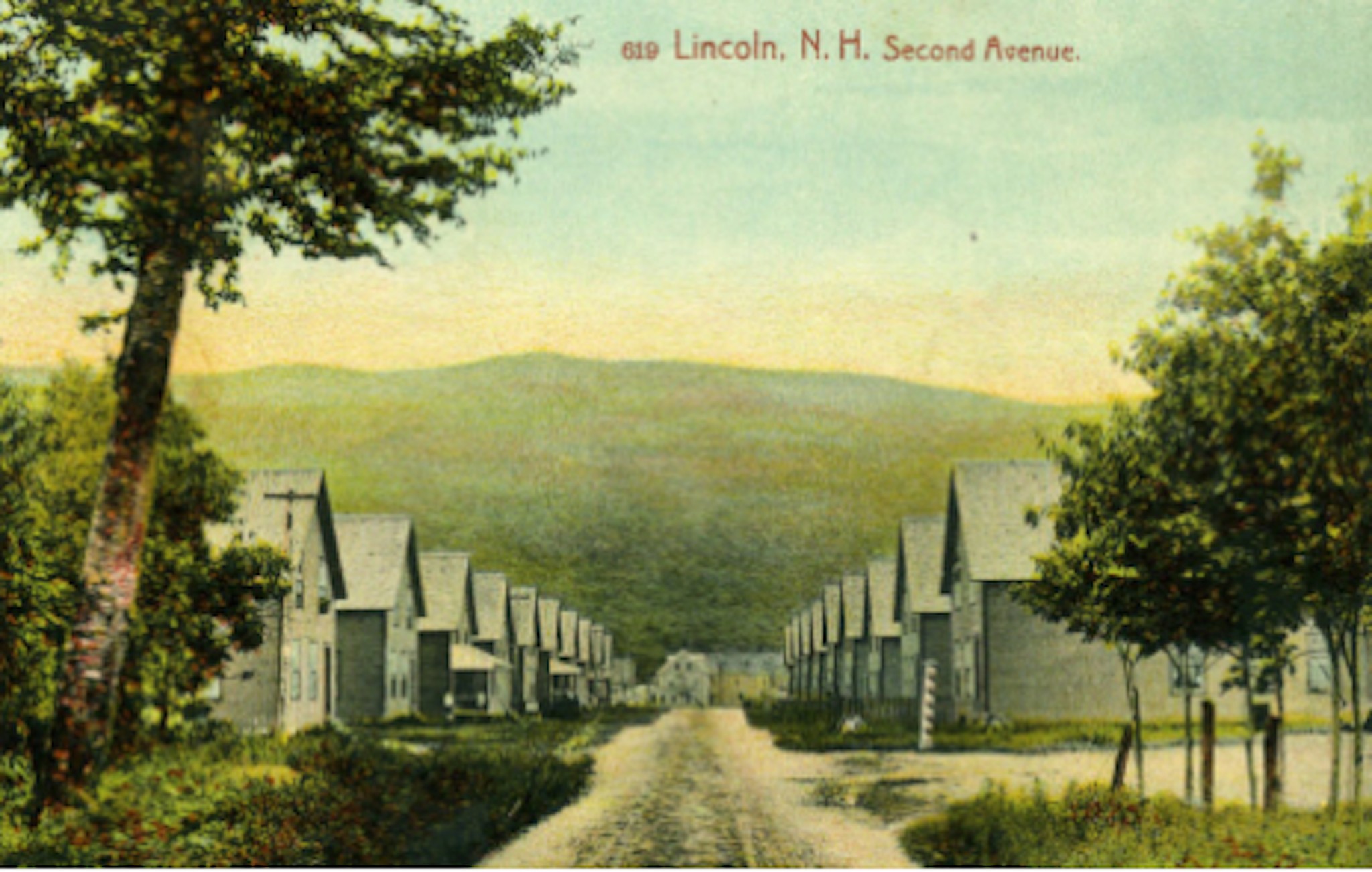
Arriving in Lincoln in 1920 by chance and staying by choice, Oran Wilfred Hudson became far more than the town barber—he became part of its daily rhythm. Trained in Boston and known for his skill with everything from Feather Cuts to Flattops, Oran cut hair for mill workers, ministers, summer visitors, and future political figures, all while presiding over a shop that doubled as Lincoln’s unofficial town hall. With prices measured in cents and stories traded freely, his chair was a place where paper was “made” as fast as at the mill, where no comic books were allowed, and where neighbors gathered to talk life, work, and the town they shared. “English Feathers, Please, No Clippers!” captures a vanished era of small-town craftsmanship, personality, and community—seen through the eyes of a man who liked people and never forgot their stories.
December 15, 2025
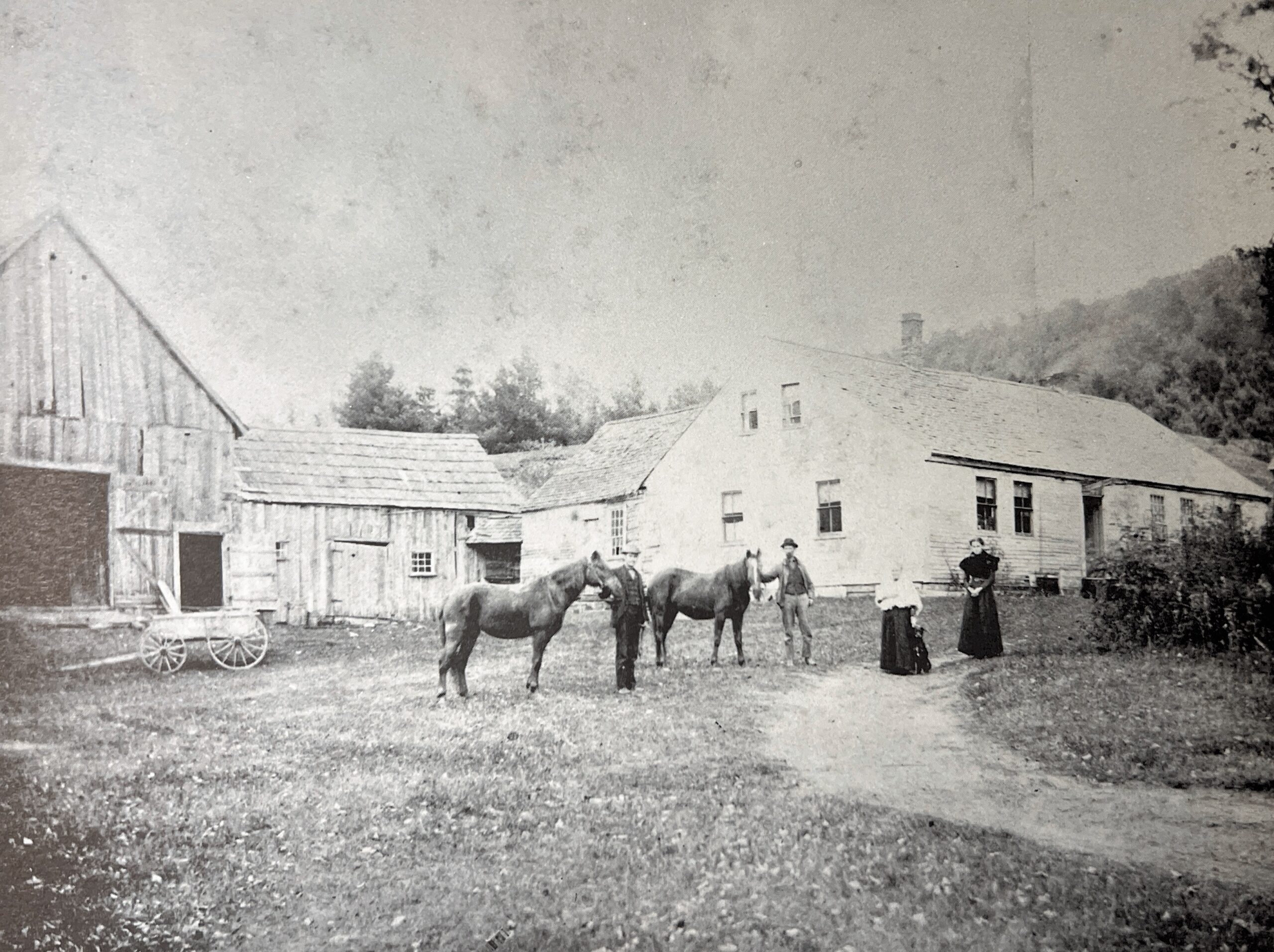
Stepping through the front door of Priscilla Cox’s home in Woodstock was like crossing a threshold into two centuries of Upper Pemigewasset Valley history. Built circa 1800 and expanded over generations, the house first sheltered Thomas and Margaret Pinkham when they arrived in 1806, later becoming the Russell family’s farm—complete with flax fields, a sawmill, and ironwork forged in Franconia. It even served as a station on the Underground Railroad, with a hidden space beneath the attic floorboards where freedom seekers found refuge. The Burney and Cox families followed, each adding new stories: marriages linking Quebec to Woodstock, a son lost at the Battle of the Bulge, summers filled with cousins and farm chores, and a cast of unforgettable hired hands whose tales Priscilla treasured. Except for a brief wartime relocation, Priscilla lived her entire life within those walls.
December 10, 2025
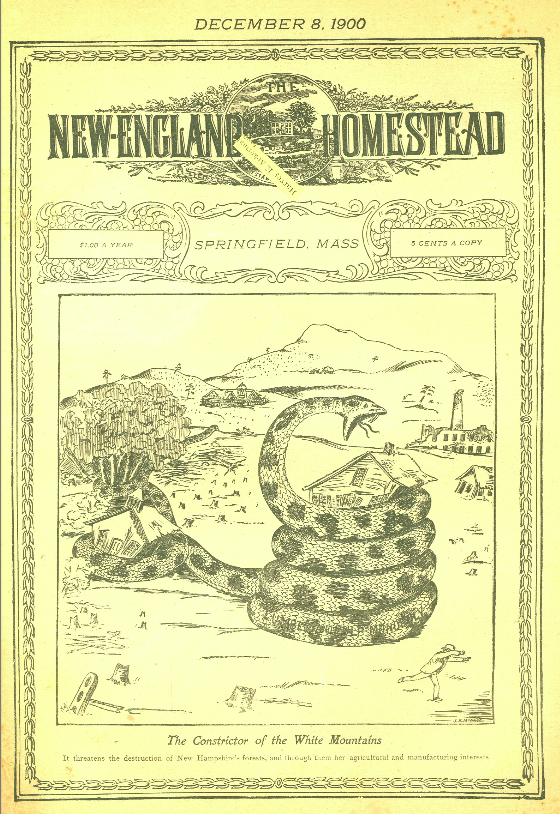
In 1900, Rev. John E. Johnson published “The Boa Constrictor of the White Mountains”—a fiery exposé warning that the New Hampshire Land Company posed an existential threat to the region’s forests, farms, and mills. Calling the corporation “a boa constrictor” determined “to depopulate and deforest” vast tracts of the White Mountains, Johnson argued that unchecked land speculation and aggressive timbering would destroy not only the natural landscape but also the agricultural and manufacturing backbone of New Hampshire. His impassioned writing, first delivered as a pamphlet in North Woodstock on July 4, 1900, helped fuel the growing public outcry that would ultimately lead to national forest protection in the Northeast—and, eventually, the passage of the Weeks Act.
December 7, 2025
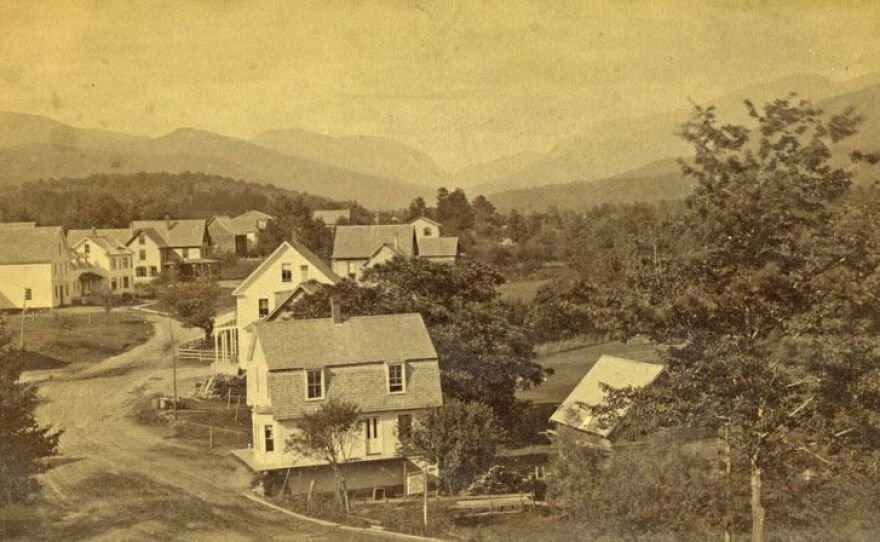
Tucked along a bend of the Pemigewasset River, Woodstock, New Hampshire is a town that has been rewritten more than once—first as Fairfield, then as Peeling, and finally as the mountain village we know today. Its story is one of reinvention shaped by stubborn granite, fast water, and the long reach of the logging era that once swept through the White Mountains. From the early settlers who tried to coax a living from thin hillside soils, to the rivermen guiding vast log drives down to Lowell, to the boardinghouses and grand hotels that welcomed summer travelers off the Boston & Maine trains, Woodstock grew in fits and starts, pulling itself down from the hilltop and toward the river that ultimately defined it. In the shadow of Mount Cilley, where cellar holes of old Peeling sleep beneath second-growth trees, you can still trace the outlines of a town that has lived many lives—and continues to negotiate its place between wilderness and the world beyond it.
December 1, 2025
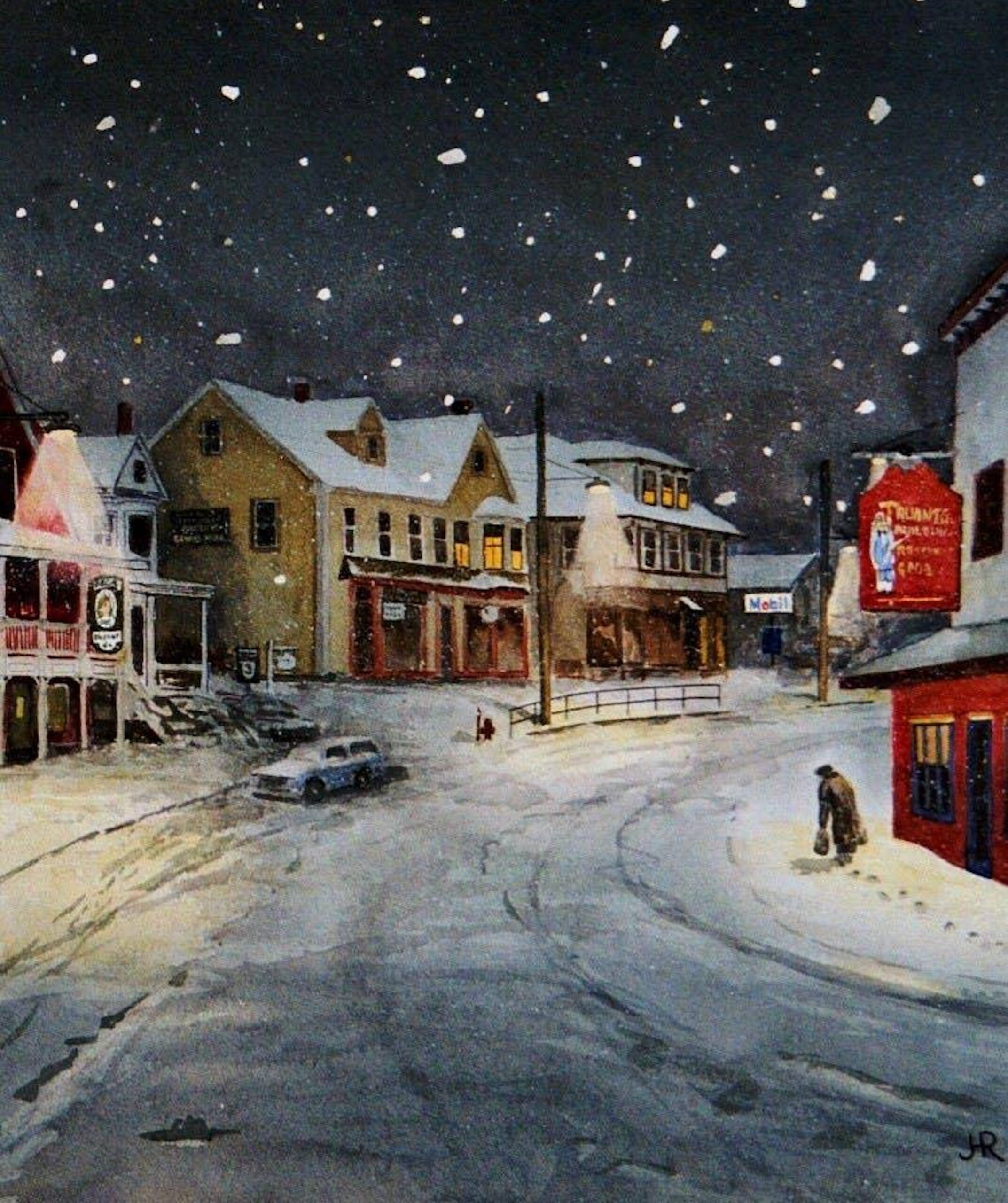
Explore the story behind “Anna’s Quest,” the beloved Jack Richardson painting honoring North Woodstock resident and local historian Anna Marie Molloy. Learn about Anna’s life, her writings—including her community reporting for the Plymouth Record—and her enduring legacy through the Anna Molloy Memorial Fund and the Soldier’s Park memorial bench. A tribute to one woman’s role in preserving the history and heartbeat of Woodstock, New Hampshire.
November 25, 2025