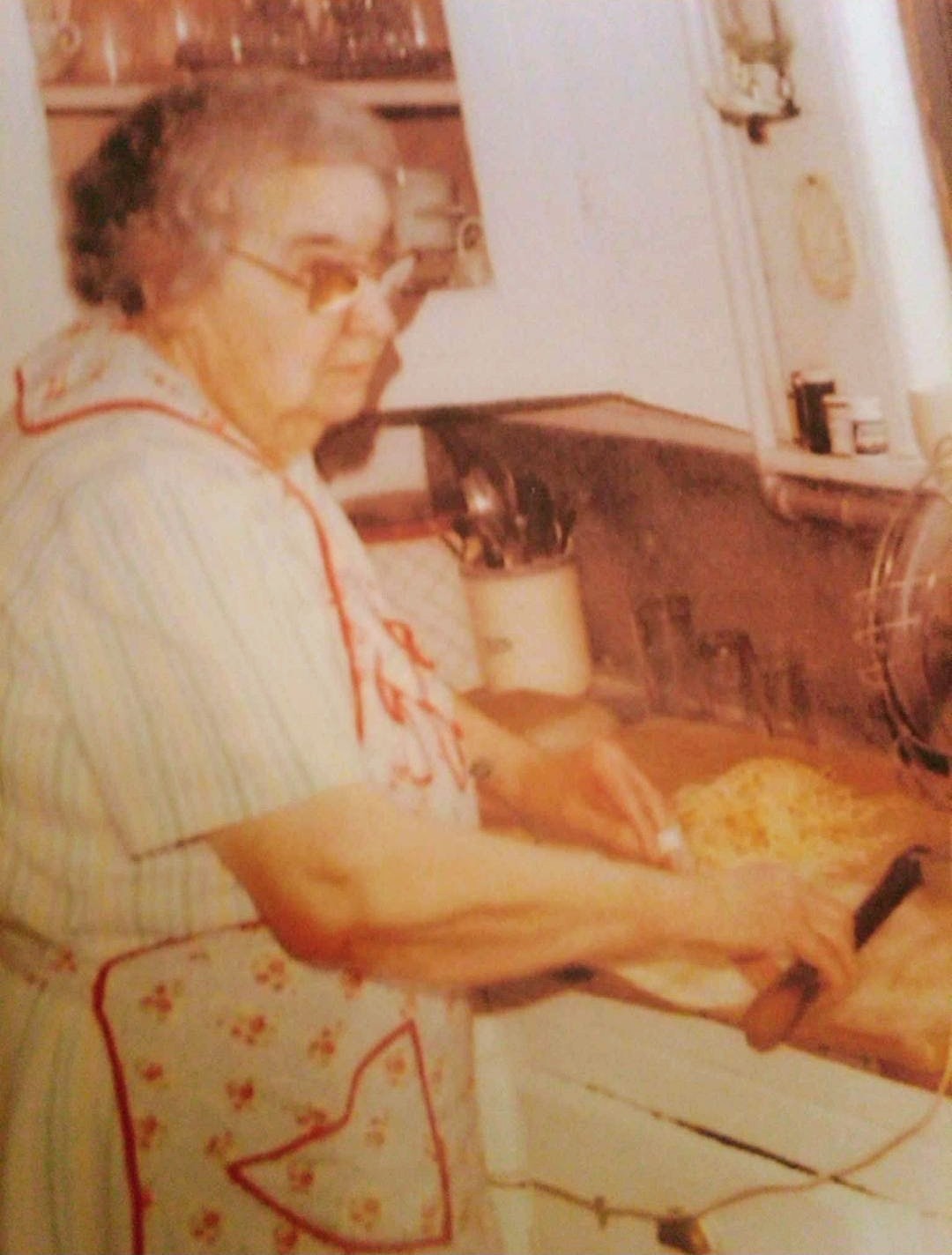
For more than seven decades, Malvina Govoni Frank fed a valley, one bowl of spaghetti at a time. Beginning at the age of thirteen, working beside her mother, Clementina, in a North Woodstock kitchen, Malvina learned a craft that would become both her livelihood and legacy. What started as homemade spaghetti delivered by horse and wagon to mill girls and neighbors grew into a beloved family restaurant that served thousands each summer, drawing locals, hotel guests, and even governors to its tables. Through hard work, long nights, and generations of change, the family stitched Old World traditions into daily life, proving that food can be both sustenance and story — and that a simple recipe, faithfully kept, can bind a community together for nearly a century.
December 22, 2025
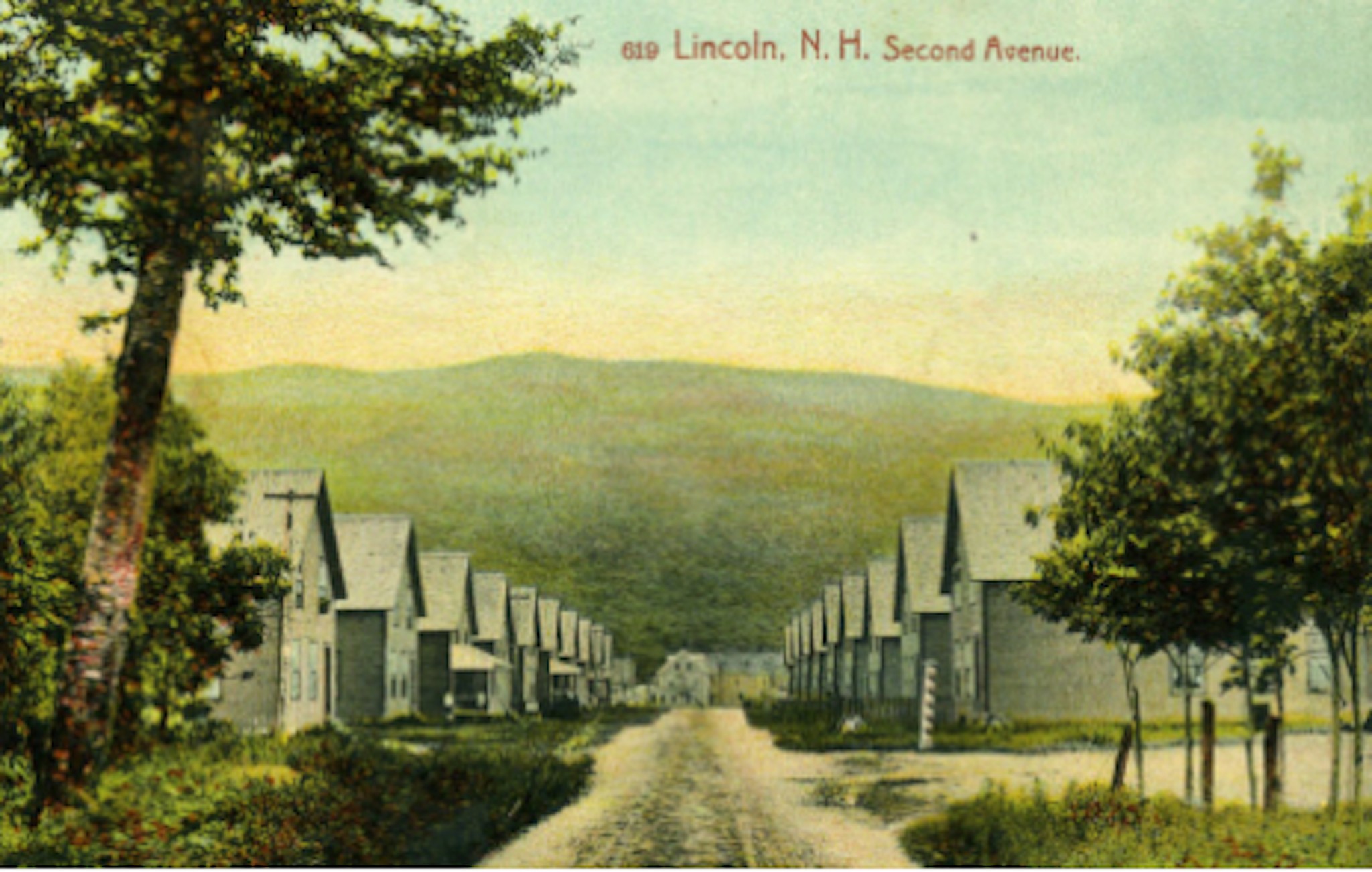
Arriving in Lincoln in 1920 by chance and staying by choice, Oran Wilfred Hudson became far more than the town barber—he became part of its daily rhythm. Trained in Boston and known for his skill with everything from Feather Cuts to Flattops, Oran cut hair for mill workers, ministers, summer visitors, and future political figures, all while presiding over a shop that doubled as Lincoln’s unofficial town hall. With prices measured in cents and stories traded freely, his chair was a place where paper was “made” as fast as at the mill, where no comic books were allowed, and where neighbors gathered to talk life, work, and the town they shared. “English Feathers, Please, No Clippers!” captures a vanished era of small-town craftsmanship, personality, and community—seen through the eyes of a man who liked people and never forgot their stories.
December 15, 2025
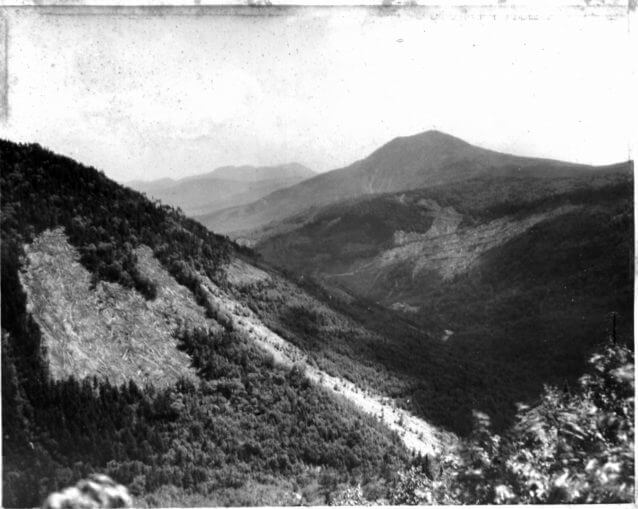
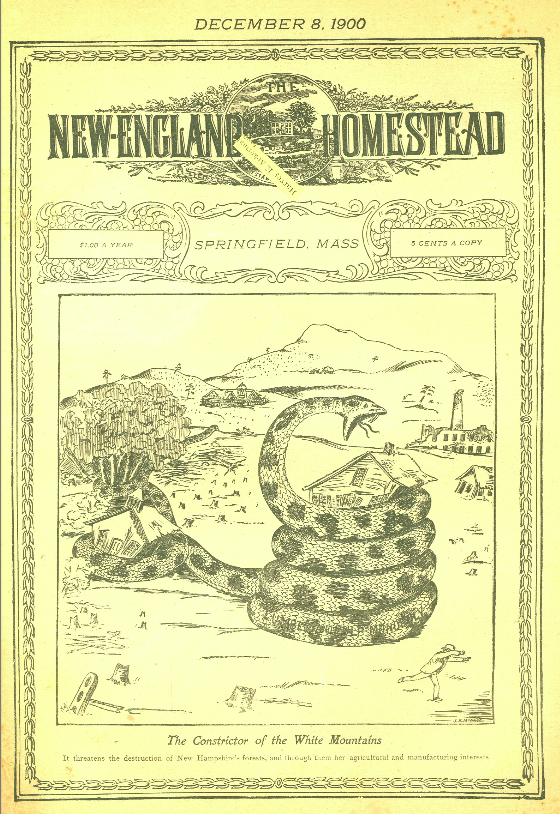
In 1900, Rev. John E. Johnson published “The Boa Constrictor of the White Mountains”—a fiery exposé warning that the New Hampshire Land Company posed an existential threat to the region’s forests, farms, and mills. Calling the corporation “a boa constrictor” determined “to depopulate and deforest” vast tracts of the White Mountains, Johnson argued that unchecked land speculation and aggressive timbering would destroy not only the natural landscape but also the agricultural and manufacturing backbone of New Hampshire. His impassioned writing, first delivered as a pamphlet in North Woodstock on July 4, 1900, helped fuel the growing public outcry that would ultimately lead to national forest protection in the Northeast—and, eventually, the passage of the Weeks Act.
December 7, 2025
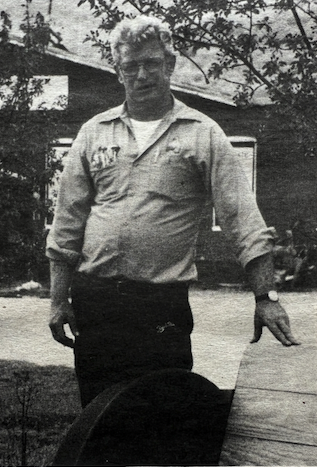
In the Summer ’88 issue of North Country Times, “Roger Harrington Personifies Lincoln’s Blending of Old and New” captures the remarkable transformation of Lincoln’s mill complex into the Millfront Marketplace—and the unique role of Roger Harrington in preserving its past. As Lincoln Mill Associates redeveloped the dormant paper mills into shops, arts spaces, and community amenities, Harrington—born and raised in Lincoln and a mill worker since 1957—became the bridge between eras. His deep knowledge of the mill’s equipment, traditions, and culture guided the repurposing of historic tools, machinery, and even railroad artifacts into functional and decorative features throughout the Marketplace. The article paints Harrington not only as a longtime steward of the old Franconia Paper Company, but also as the living historian ensuring that Lincoln’s industrial heritage remains visible and meaningful amid the town’s modern revitalization.
December 3, 2025
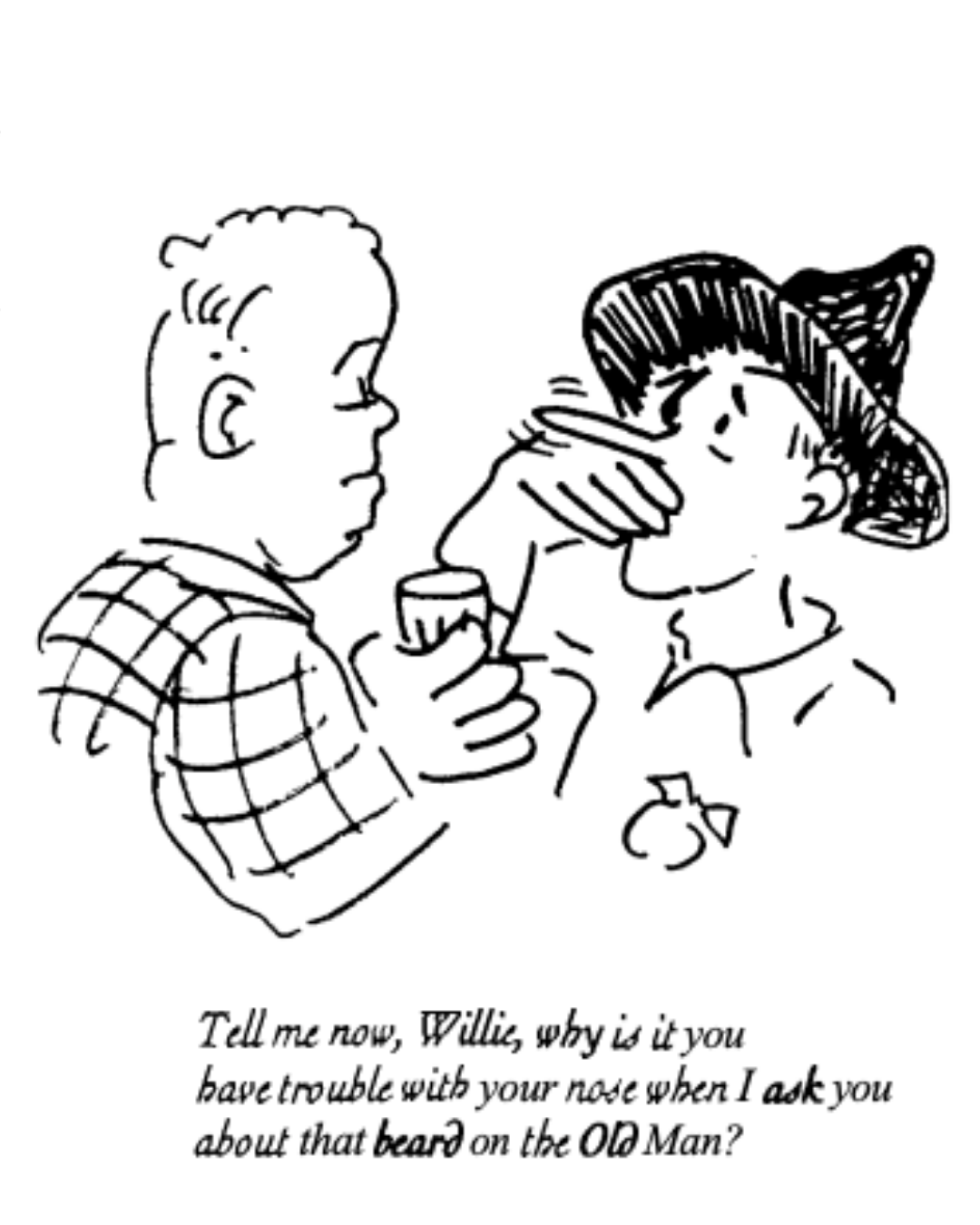
Little is known about the first attempt to beard the Old Man of the Mountain because there are no known photographs or newspaper reports to document the event and the principal players included the celebrated son of the other “Old Man”—Joe Dodge—who would not have taken kindly to knowing that son Brookie “Hirum” went AWOL from Lakes of the Clouds to pull off the daring stunt. It’s interesting that the secret was so well kept that, years later, a second bearding party knew that Hirum and an accomplice had attempted to attach a tree to the Old Man’s chin, but were probably unsuccessful. After all, if a tree falls in a forest with nobody around to hear it, does it actually make a sound?
November 27, 2025