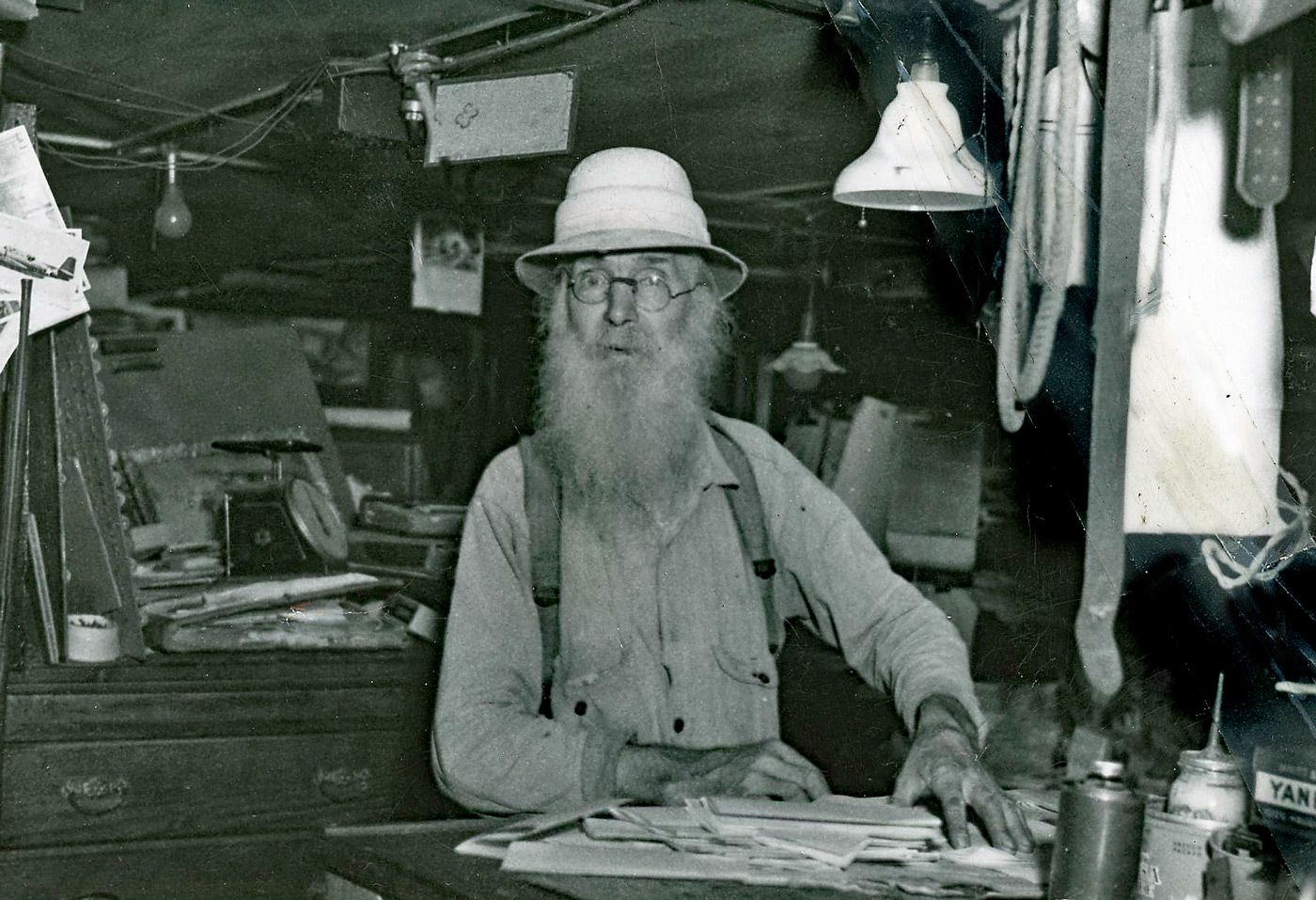
Who was Shiff the Gunman—myth, merchant, or something in between? This article explores the life of Carroll Barrows Shiffer, known nationwide as “Shiff the Gunman,” a solitary, reclusive New Hampshire firearms dealer who carefully blurred the line between fact and legend and whose North Woodstock, New Hampshire, cabin became a destination for collectors across the country. Through letters, objects, and reputation, Shiffer built an authority that outlived him, reminding us that history is shaped not only by what is true, but by what endures, leaving behind a legacy that still surfaces in auctions and archives today.
January 26, 2026
In October 1981, The Christian Science Monitor explored a heated controversy brewing over the skies above the White Mountains, where two Air National Guard units proposed a Military Operating Area (MOA) for high-speed, low-altitude training flights—a plan that struck deep into the region’s identity as a place of quiet recreation and scenic beauty. What thrilled pilots as valuable preparation for possible combat scenarios alarmed hikers, campers, and local residents, who argued that sudden, engine-throbbing fighter sorties—sometimes as low as 100 feet above ground—could disrupt the natural experience and even threaten wildlife habitats. With voices from community advocates and public officials opposing the proposal and urging the Air Force to consider alternatives, the story captures a moment when local quality of life, tourism, and environmental stewardship clashed with military training needs over one of New Hampshire’s most cherished landscapes.
January 23, 2026

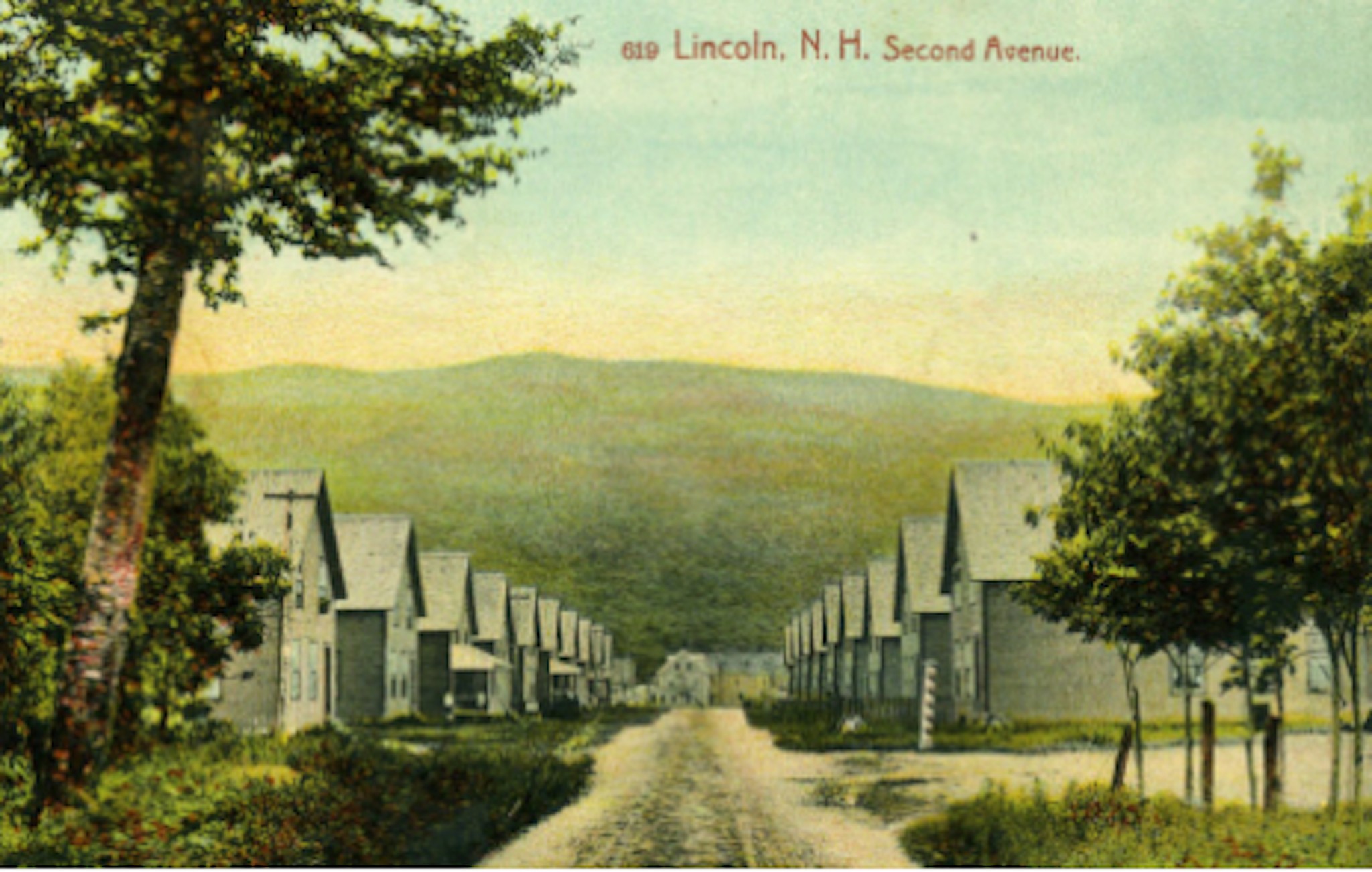
Arriving in Lincoln in 1920 by chance and staying by choice, Oran Wilfred Hudson became far more than the town barber—he became part of its daily rhythm. Trained in Boston and known for his skill with everything from Feather Cuts to Flattops, Oran cut hair for mill workers, ministers, summer visitors, and future political figures, all while presiding over a shop that doubled as Lincoln’s unofficial town hall. With prices measured in cents and stories traded freely, his chair was a place where paper was “made” as fast as at the mill, where no comic books were allowed, and where neighbors gathered to talk life, work, and the town they shared. “English Feathers, Please, No Clippers!” captures a vanished era of small-town craftsmanship, personality, and community—seen through the eyes of a man who liked people and never forgot their stories.
December 15, 2025
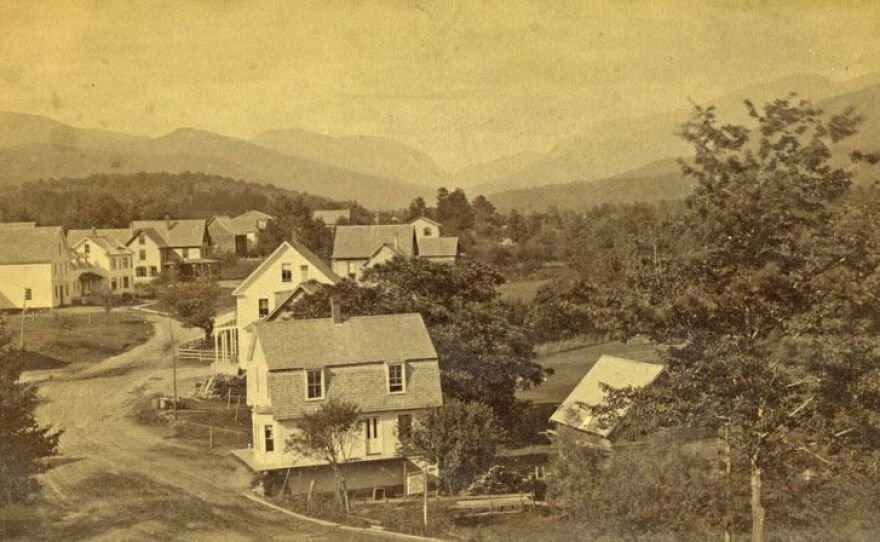
Tucked along a bend of the Pemigewasset River, Woodstock, New Hampshire is a town that has been rewritten more than once—first as Fairfield, then as Peeling, and finally as the mountain village we know today. Its story is one of reinvention shaped by stubborn granite, fast water, and the long reach of the logging era that once swept through the White Mountains. From the early settlers who tried to coax a living from thin hillside soils, to the rivermen guiding vast log drives down to Lowell, to the boardinghouses and grand hotels that welcomed summer travelers off the Boston & Maine trains, Woodstock grew in fits and starts, pulling itself down from the hilltop and toward the river that ultimately defined it. In the shadow of Mount Cilley, where cellar holes of old Peeling sleep beneath second-growth trees, you can still trace the outlines of a town that has lived many lives—and continues to negotiate its place between wilderness and the world beyond it.
December 1, 2025