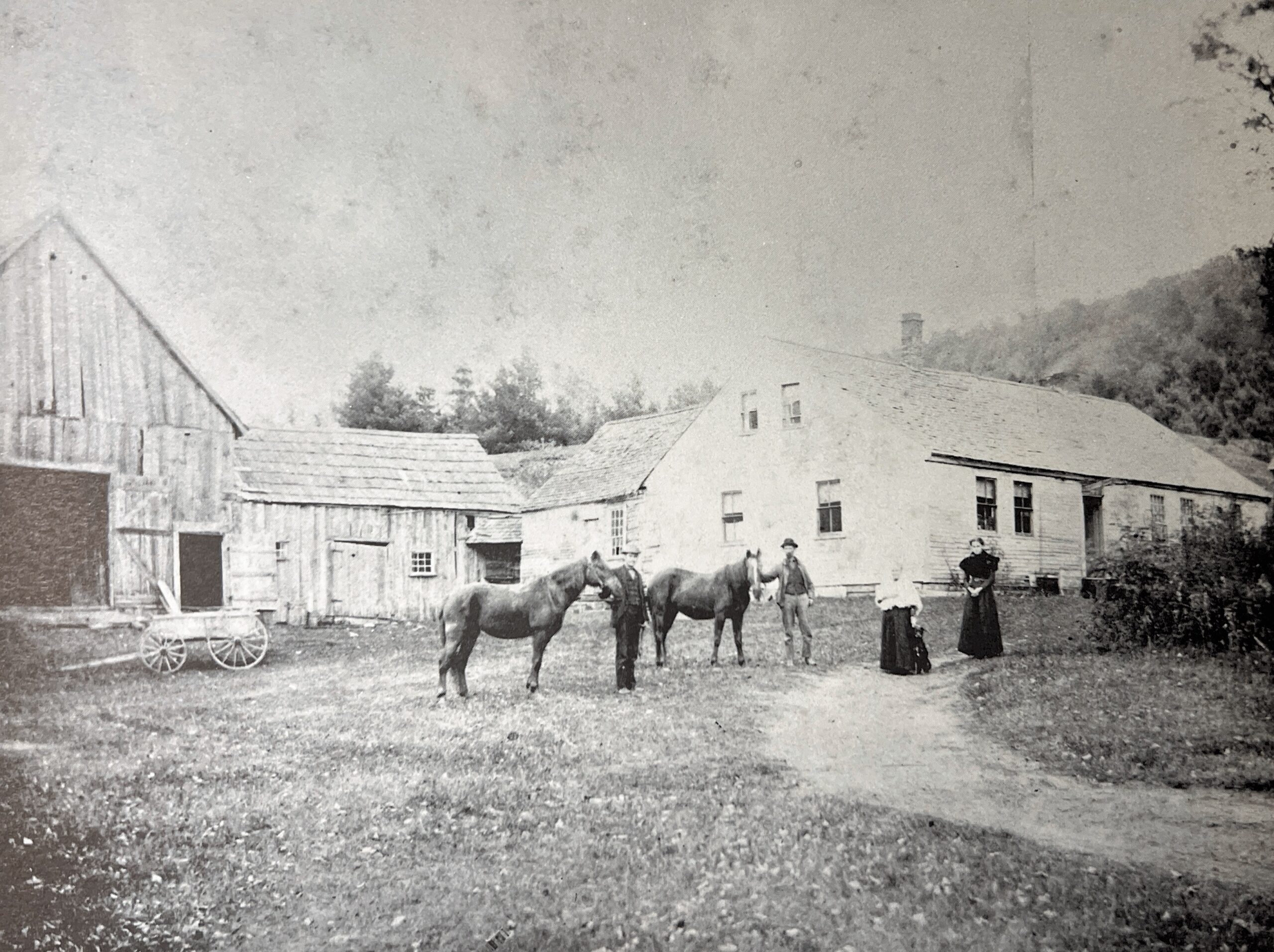
Stepping through the front door of Priscilla Cox’s home in Woodstock was like crossing a threshold into two centuries of Upper Pemigewasset Valley history. Built circa 1800 and expanded over generations, the house first sheltered Thomas and Margaret Pinkham when they arrived in 1806, later becoming the Russell family’s farm—complete with flax fields, a sawmill, and ironwork forged in Franconia. It even served as a station on the Underground Railroad, with a hidden space beneath the attic floorboards where freedom seekers found refuge. The Burney and Cox families followed, each adding new stories: marriages linking Quebec to Woodstock, a son lost at the Battle of the Bulge, summers filled with cousins and farm chores, and a cast of unforgettable hired hands whose tales Priscilla treasured. Except for a brief wartime relocation, Priscilla lived her entire life within those walls.
December 10, 2025
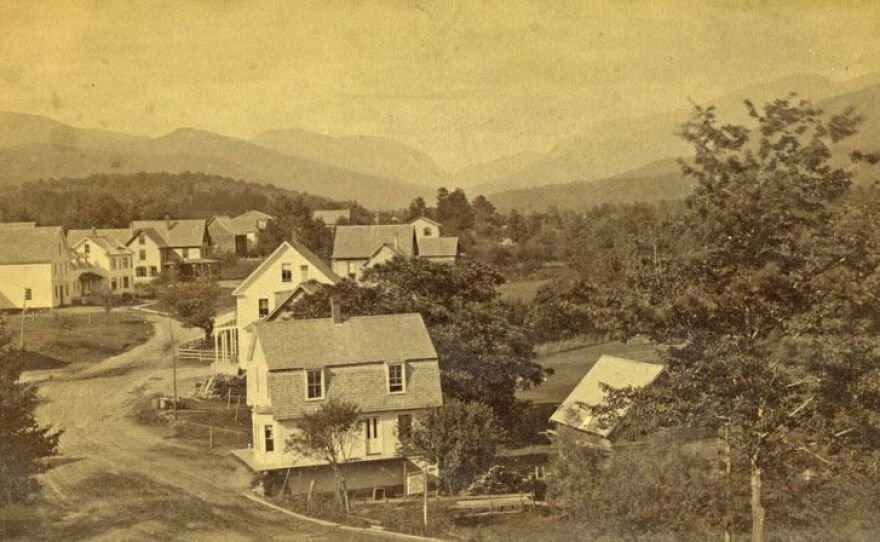
Tucked along a bend of the Pemigewasset River, Woodstock, New Hampshire is a town that has been rewritten more than once—first as Fairfield, then as Peeling, and finally as the mountain village we know today. Its story is one of reinvention shaped by stubborn granite, fast water, and the long reach of the logging era that once swept through the White Mountains. From the early settlers who tried to coax a living from thin hillside soils, to the rivermen guiding vast log drives down to Lowell, to the boardinghouses and grand hotels that welcomed summer travelers off the Boston & Maine trains, Woodstock grew in fits and starts, pulling itself down from the hilltop and toward the river that ultimately defined it. In the shadow of Mount Cilley, where cellar holes of old Peeling sleep beneath second-growth trees, you can still trace the outlines of a town that has lived many lives—and continues to negotiate its place between wilderness and the world beyond it.
December 1, 2025