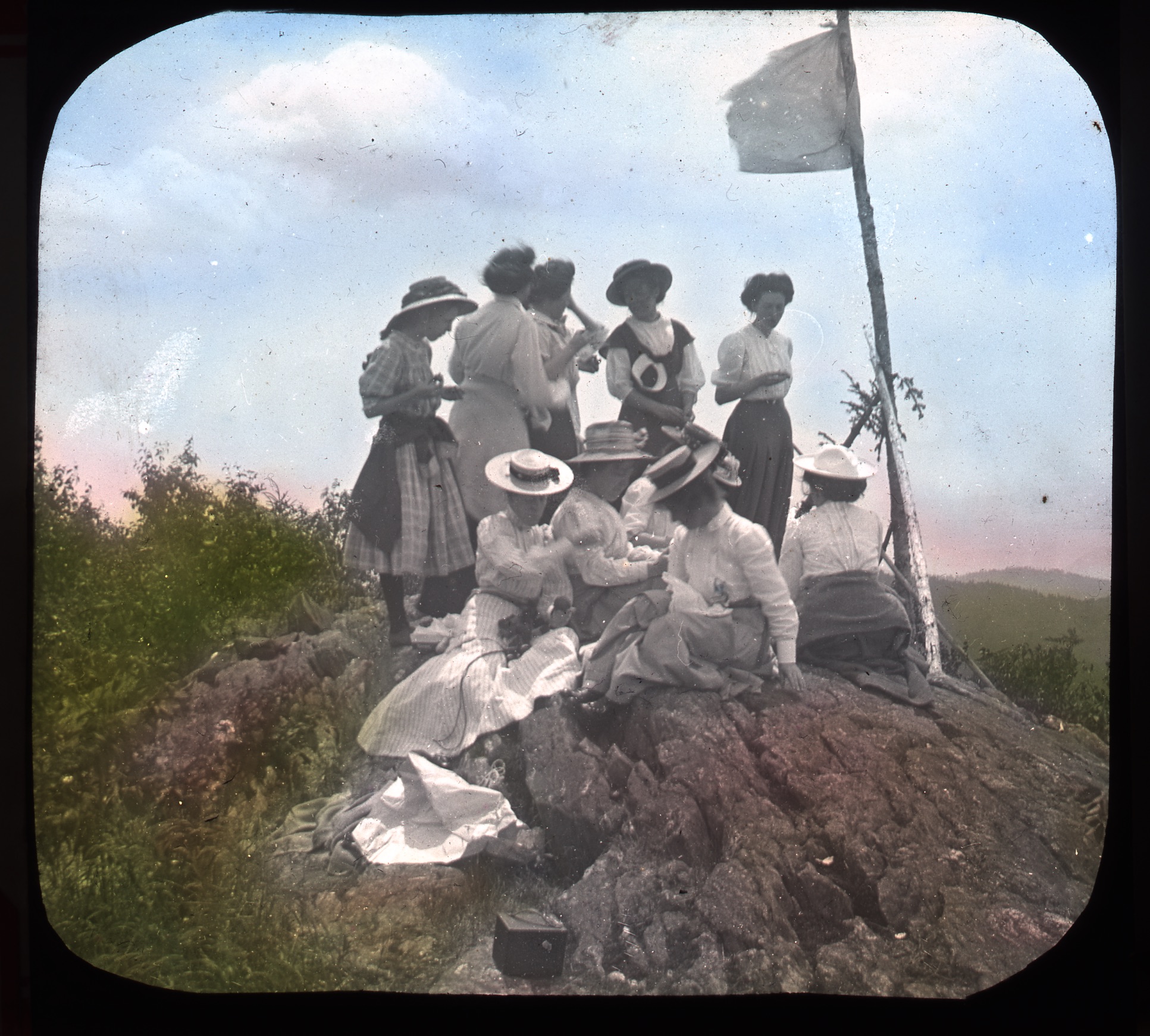
In this lively 1880 account from Appalachia, Mrs. Lucia D. Pychowska recounts an adventurous excursion by a small party—five women and their guide—to the remote lakes and rocky summits of Loon Pond Mountain in the Pemigewasset Valley. Battling swollen rivers, indistinct trails, and rough, burn-scarred terrain, the group presses on with determination, rewarded by crystalline mountain ponds, alpine flora, and sweeping views of Cannon, Lafayette, Liberty, and Flume rising beyond the East Branch. Blending careful natural observation with understated humor and grit, Pychowska’s narrative offers a vivid glimpse into early recreational exploration in the White Mountains—and into the often-overlooked role of women in nineteenth-century mountain travel.
February 18, 2026
Who was Shiff the Gunman—myth, merchant, or something in between? This article explores the life of Carroll Barrows Shiffer, known nationwide as “Shiff the Gunman,” a solitary, reclusive New Hampshire firearms dealer who carefully blurred the line between fact and legend and whose North Woodstock, New Hampshire, cabin became a destination for collectors across the country. Through letters, objects, and reputation, Shiffer built an authority that outlived him, reminding us that history is shaped not only by what is true, but by what endures, leaving behind a legacy that still surfaces in auctions and archives today.
January 26, 2026

In October 1981, The Christian Science Monitor explored a heated controversy brewing over the skies above the White Mountains, where two Air National Guard units proposed a Military Operating Area (MOA) for high-speed, low-altitude training flights—a plan that struck deep into the region’s identity as a place of quiet recreation and scenic beauty. What thrilled pilots as valuable preparation for possible combat scenarios alarmed hikers, campers, and local residents, who argued that sudden, engine-throbbing fighter sorties—sometimes as low as 100 feet above ground—could disrupt the natural experience and even threaten wildlife habitats. With voices from community advocates and public officials opposing the proposal and urging the Air Force to consider alternatives, the story captures a moment when local quality of life, tourism, and environmental stewardship clashed with military training needs over one of New Hampshire’s most cherished landscapes.
January 23, 2026

This gripping article recounts two of the most daring dog-sled ascents ever attempted on Mount Washington, beginning with Arthur T. Walden and the legendary lead dog Chinook’s perilous climb in 1926, and culminating in Florence Murray Clark’s extraordinary solo ascent in 1932. Set against hurricane-force winds, sheer ice slopes, and life-or-death decisions, the story captures both the physical danger of winter travel on New England’s highest peak and the remarkable resolve of those who dared to challenge it—especially Clark, who became the first woman to drive a dog team to the summit without assistance. Together, these intertwined accounts illuminate a little-known chapter of White Mountains history where endurance, courage, and human–animal partnership were tested at the very edge of possibility.
January 22, 2026
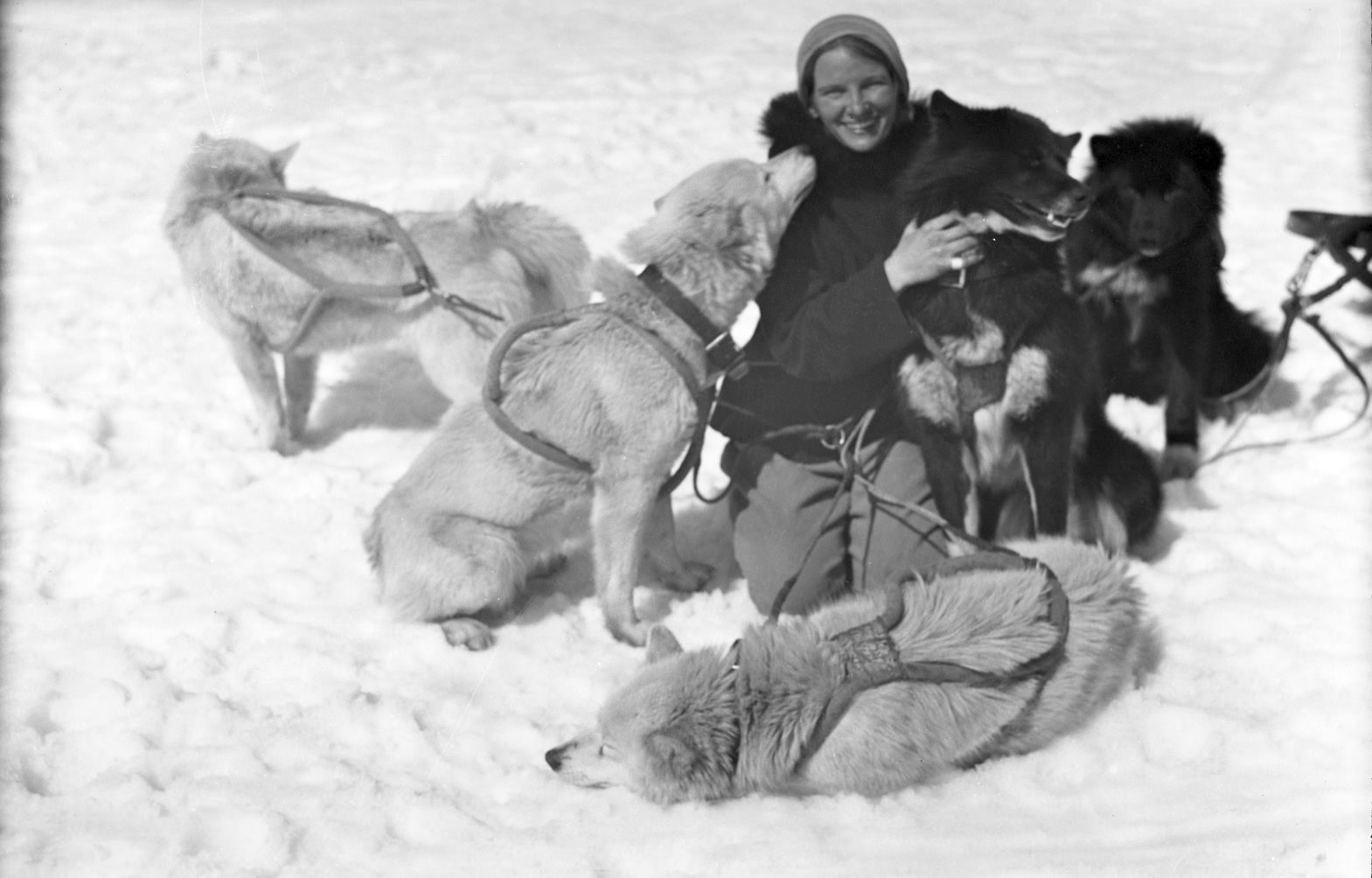
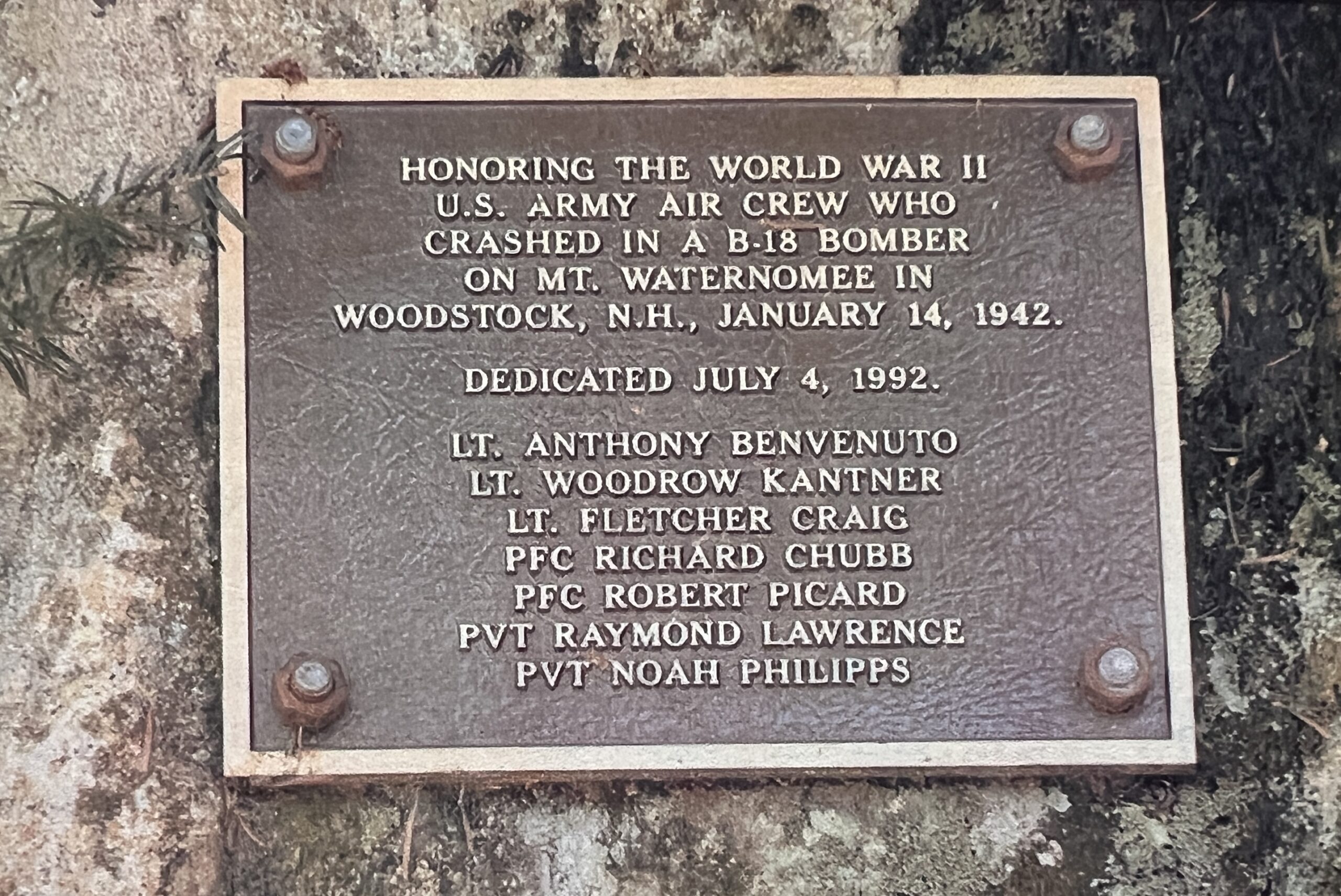
On January 14, 1942, just weeks after Pearl Harbor, a U.S. Army bomber vanished into the White Mountains of New Hampshire. This is the story of the flight, the crash on Mount Waternomee, and the community that climbed into the dark to bring seven men home—five surviving, two passed on—marking the moment when a distant war became painfully close.
January 14, 2026
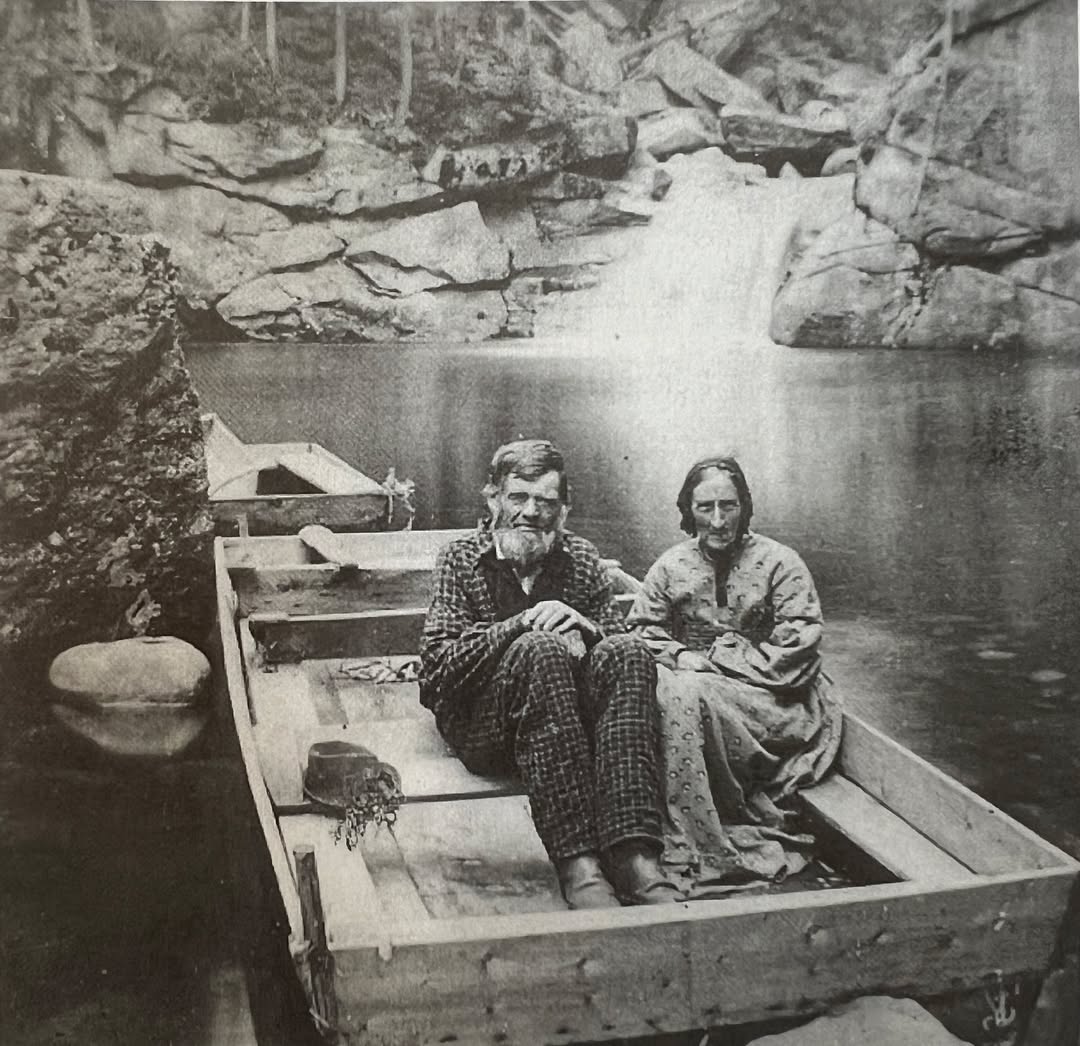
Published in The Yale Literary Magazine in November 1861, Howard Kingsbury’s “A Summer Experience” offers a vivid, first-hand account of the Yale Glee Club’s time in New Hampshire’s White Mountains at the height of the region’s 19th-century tourism era. Kingsbury writes of their stay at the Profile House, then one of the most celebrated grand hotels in the mountains, and of excursions into the surrounding landscape, including a visit to John Merrill at the Pool at the Flume. Blending personal reflection with careful observation, the essay captures the rhythms of travel, hospitality, and natural wonder that defined the New England experience for generations of summer visitors—and provides a rare glimpse of places and people that shaped the history of our region.
January 11, 2026
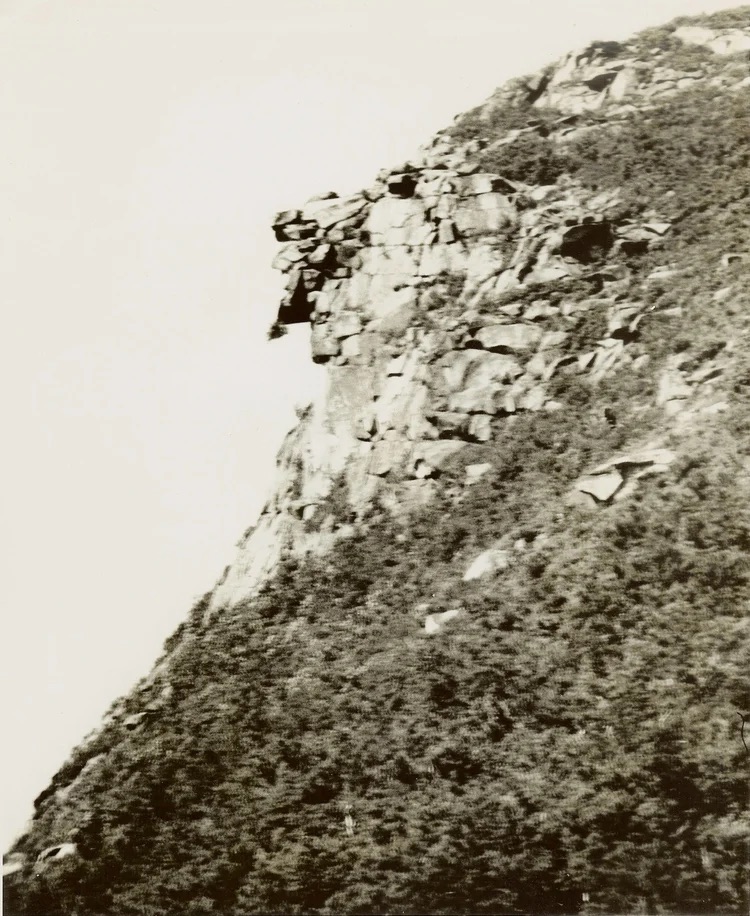
By Jim Hamilton (Spring 1992, The Resuscitator) NOTE: If you’d like to start at the beginning, head on over to Bearding the Old Man—Part One Collecting information about the 1955 bearding of the Old Man of the Mountains led us to David “Stretch” Hays, trailmaster of the AMC trail crew that summer who had mentioned […]
December 15, 2025
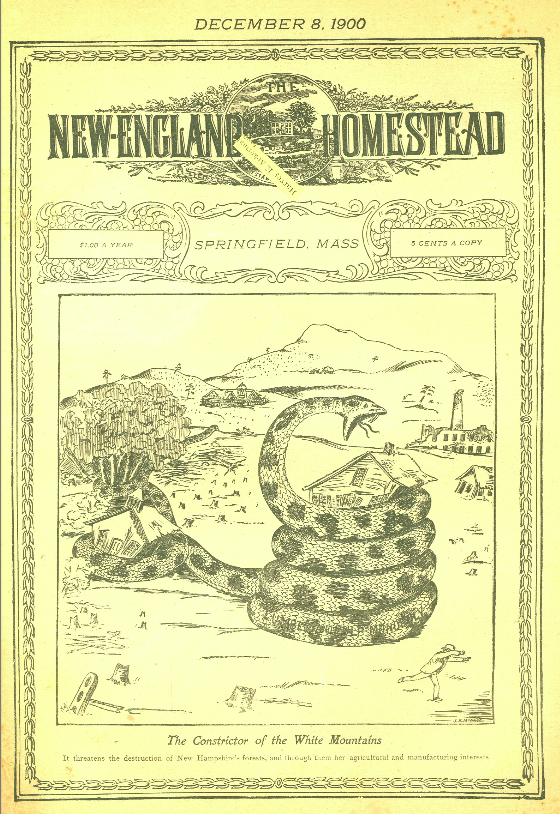
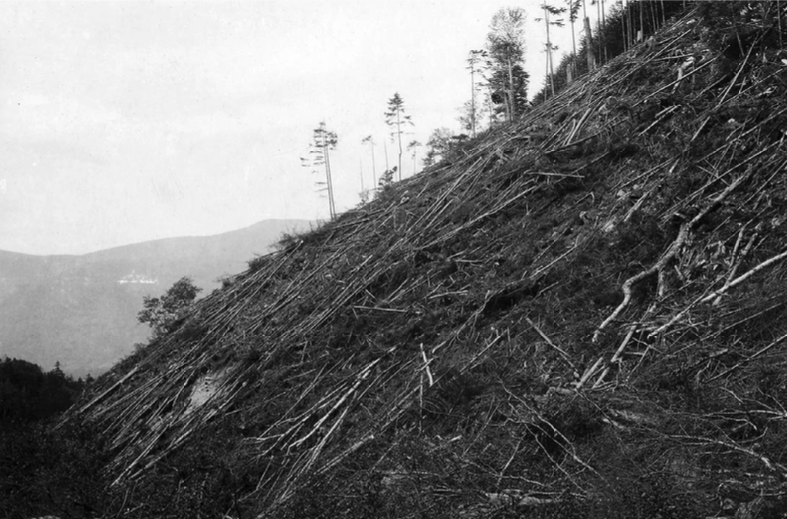
In 1900, Rev. John E. Johnson published “The Boa Constrictor of the White Mountains”—a fiery exposé warning that the New Hampshire Land Company posed an existential threat to the region’s forests, farms, and mills. Calling the corporation “a boa constrictor” determined “to depopulate and deforest” vast tracts of the White Mountains, Johnson argued that unchecked land speculation and aggressive timbering would destroy not only the natural landscape but also the agricultural and manufacturing backbone of New Hampshire. His impassioned writing, first delivered as a pamphlet in North Woodstock on July 4, 1900, helped fuel the growing public outcry that would ultimately lead to national forest protection in the Northeast—and, eventually, the passage of the Weeks Act.
December 7, 2025